Posts

Middlemarch at Midlife

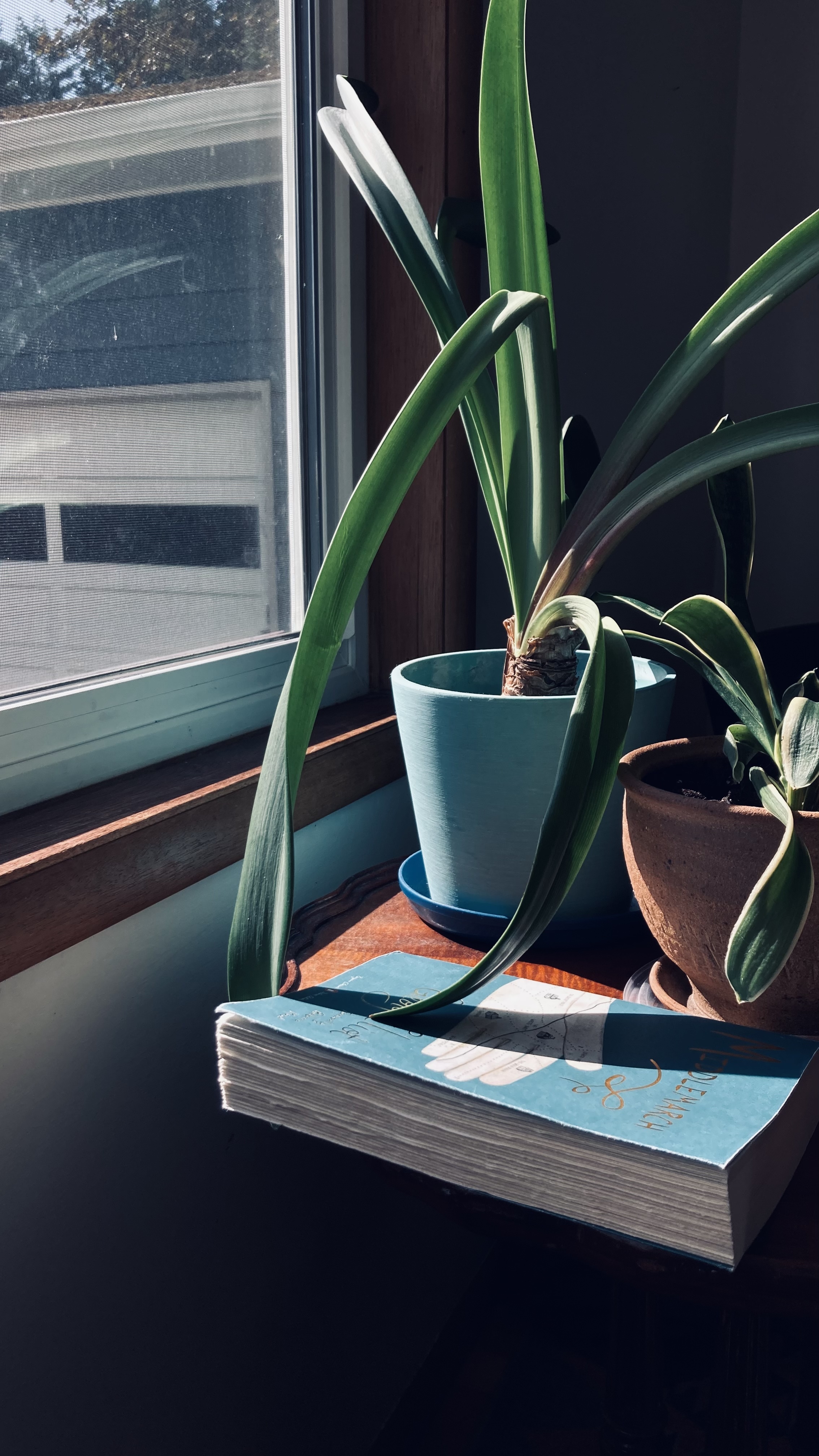
It is a stunning fall day and I’m alone in my house for the first time in 11 years. This is not strictly true but maybe you’ll understand when I say it’s emotionally true. This is the first year all of my children are in school, and I am not. In school. Or taking board exams. Or working outside the home. Instead, I am sitting at a little desk by a big window with George Eliot’s book beside me, feeling the gorgeous sun on my skin and listening to something hum gently somewhere in the house. Maybe it’s the HVAC fan or the freezer in the basement. Whatever it is, it’s a purposeful, quiet sound I never hear because four children in a modestly-sized house are not quiet.

I have not had this kind of quiet in a long time.

I chased quiet for a while. In between things.

Naptime, library storytime, wildfires
Smartphones, diagnoses, road trips
Spray mops, slime kits, Paw Patrol

Big things and little things that wore me down and simultaneously grew my patience, rewrote what I knew about love, and built a new foundation under my faith. A few years ago, I stopped chasing quiet in order to write, and started collecting quiet in my heart, for no reason, to make nothing and please no one. Because I needed the quiet for myself, and because I needed to know what I needed writing for, before I tried it again.

Maybe I also went quiet because of wounding. Writing honestly online brought rejection from a few former friends. Substack became another social media universe of noise and overwhelm. I was tired– I am tired– of the Internet, the age of AI, and trying to figure out where I go with a gift that originally had nothing to do with these things.

That’s a long preamble to a simple, Hi. I’m here.
I’ve been reading Middlemarch with my friend Callie since summer solstice, a midpoint of sorts in the calendar year. It seemed like a good day to launch our boats into this hefty English novel, because it turns to some degree around the questions and realizations of midlife. Scaffolding around the term “midlife” is rickety at best, but something about sending my last baby off to school, and being alone in my house like this, and a number of other recent transitions, makes me want to think out loud about where I find myself.

If mid means a perfect halving, then I hope I’m not there yet; I’d love to live to 86 and beyond. But if mid is more of a zone, the way new landscapes make themselves known by a few different flowers here and there, before the trees and horizon change, then I think I’ve reached terrain where one sort of life is behind me, and a new one is here.

Middlemarch is this kind of terrain: in the English countryside, somewhere between a city and a country town. It’s a middle sort of place, where people are reconciling the life they are living now with the one they’ve lived before, and the dreams they may have had. How do those expectations square up with today? If they’re disappointed or horrified with where they find themselves– and many are– was it that they made the wrong choices, or were the expectations faulty, hastily taken up without fully considering whether they were the right set of expectations to begin with?

In Middlemarch, we meet the young, vibrant Dorothea Brooke, stubbornly insisting on a doomed marriage to the aging, emotionally-dead Casaubon. Both enter into marriage with entirely different goals and expectations, and both are disappointed and ultimately feel trapped and isolated in an unhappy bond. Dorothea is an intensely-feeling idealist whose deepest desire is to somehow contribute to the alleviation of suffering in her community. Her love of God feels indivisible from a commitment to justice, and she feels misunderstood and thwarted in her goals by her wealthy but much-preoccupied scholar husband. She comes to confide in Casaubon’s much younger (and bitterly resented) cousin, the artistic Will Ladislaw, about her plight.

Dorothea insists to Will that she has no longings. But then goes on to qualify,

“I mean, for myself. Except that I should like not to have so much more than my share without doing anything for others. But I have a belief of my own, and it comforts me.”

“What is that?” said Will, rather jealous of the belief.

“That by desiring what is perfectly good, even when we don’t quite know what it is and cannot do what we would, we are part of the Divine power against evil– widening the skirts of light and making the struggle with darkness narrower.”

If I get nothing else from this novel, I think I will spend the rest of my life grateful to have these sentences in my pockets. Narrowing the struggle with darkness and widening the skirts of light. How perfect an affirmation is that for times like these?

Like Dorothea, this is a longing that has been with me a long time. For me, it makes tangible a spiritual uneasiness that I have come to see as a gift: How do I honor the One who gave me life by doing the most I can with what I’ve been given? How can I tip the balance of justice in an unjust world, even if the shift is imperceptible? Maybe at midlife, much moreso than at Dorothea’s age, the realities of how much of a difference we can make become thrown more starkly into relief.

What can I do? Does it matter? How do I know where I’m needed? What if I fail?

Then, too, at midlife we find ourselves much more hemmed in by specific limitations. At 26, I could sleep on a mattress in a friend’s spare room, or live in an off-the-grid trailer while working part-time on a vegetable farm, riding my bike after work to the garden I kept behind my church, where I grew zucchini and cilantro for the food pantry. I had no money and no kids and nothing but time and health and energy. My vision for the good I could do in the world was small and simple, but I could do it.

These days, I struggle daily with what I would like to do for others and what I have the capacity for while caring for four kids, a family, a home. I go through cycles of overcommitting and burning out. I sign up to serve meals downtown and then have to take my child to urgent care or tend to my own health problems. I try to help weekly in the church food pantry but end up overwhelmed, leaving home where my toddler is melting down, my tween is frustrated with homework, and there are phone calls to make to the school district to get a 504 in place for our neurodivergent son.

Life already feels like too much, yet I still feel I am not doing enough. I am not always sure that I’m doing all God wants for my life by raising my kids, trying to grow emotionally and spiritually so I can be good to those I love, and taking time for rest and for joy. Even in these small things, I am often overwhelmed, my heart slips into the wrong place, and I forget to do it all for love of God.

I recently learned about a Spanish nun who had a series of visions of the Lord in the 1920s and 30s. According to her journals, Jesus said to Servant of God Josefa Menendez: “I love you as you are. I know that your frailty will cause you to fall more than once. I know that you will practically never do what you promise me, but your good will and your humble trust with which you come to me after your fall glorifies me so much that my heart gives to you immense graces.”

This is so comforting to me, as it always is when I read accounts of the saints, and see how they grumbled, stumbled, fell, and got up again. Of course they did. They were human just like us. St Therese of Lisieux especially emulates this in her writings on the Little Way.
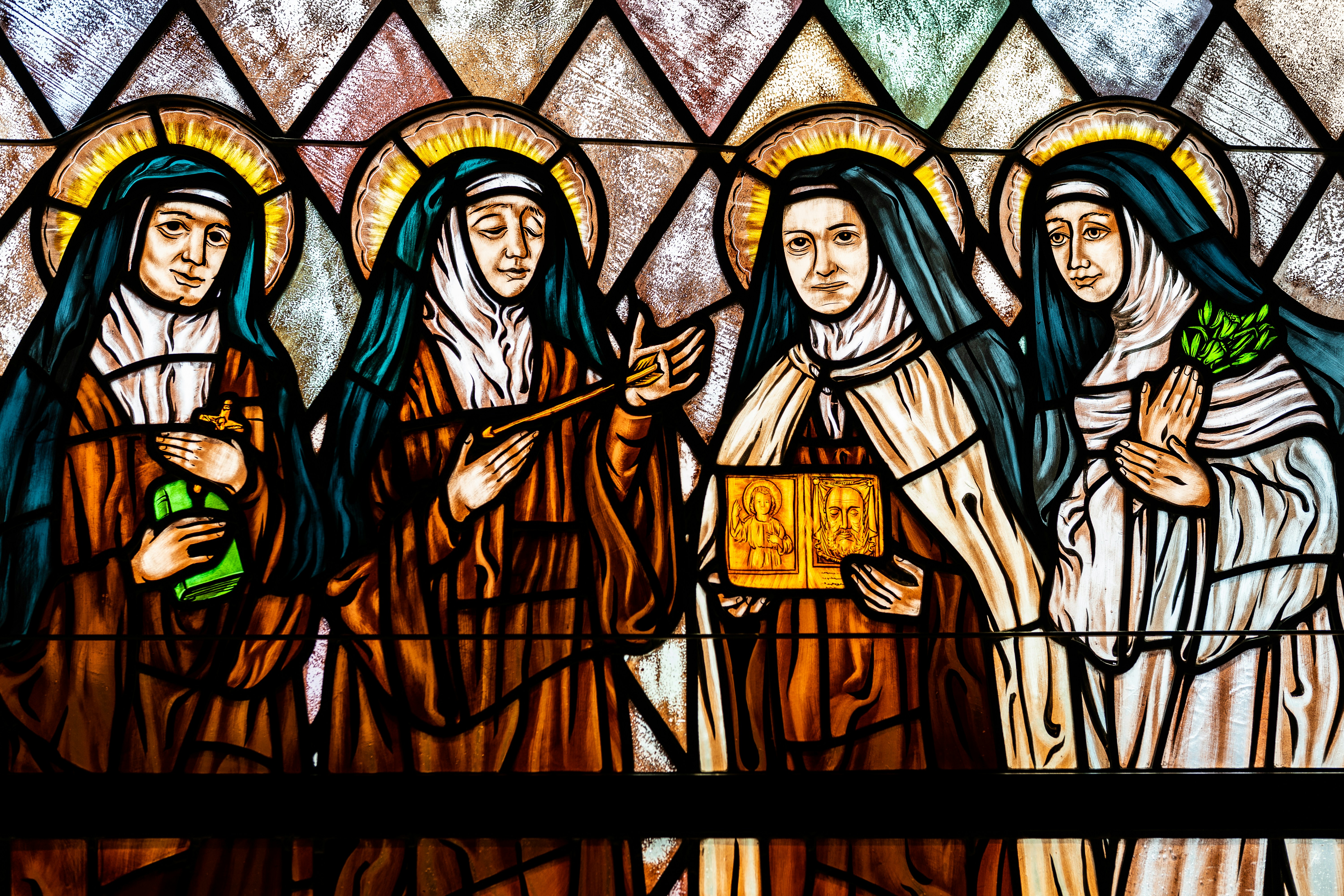
Photo by Nick Castelli on Unsplash

It reminds me very much of the oft-repeated poem of Thomas Merton’s, read in part here by Fr James Martin, one of my favorite people of all time: “Lord…the fact that I think that I am following your will does not mean that I am actually doing so. But I believe that the desire to please you does in fact please you. And I hope I have that desire in all that I am doing.“

I’m an Enneagram Type 1– the perfectionist or optimizer– but I don’t think I’ve been ready to work on that until now; this is, in fact, characteristic of Enneagram work. It’s perhaps a tool specifically for middles, for midlife. As Richard Rohr writes in The Enneagram: A Christian Perspective:

“By our twenties, our personality type is well-established because it works for us in some strange way. But in the middle of our life we may begin to see the other side of the coin, the dark side of our gift. When we are excessively fixated on our supposed gift it becomes a sin. Maintaining this self-image, this false self, becomes more and more exhausting.”

Maybe midlife is when we finally get to work.

Or as Mark Manson writes in The Subtle Art of Not Giving a Fuck:

“This is what is admirable…The people who just laugh and do what they believe in anyway. Because they know it’s right. They know it’s more important than they are, more important than their own feelings and their own pride and their own ego. They say, ‘Fuck it,’ not to everything in life, but rather to everything unimportant in life. They reserve their fucks for what truly matters.”

At this point in my life, if you’ll pardon the language, I am trying to give fewer fucks. Some of that work is being done for me by virtue of an aging body, raising four kids, there being only 24 hours in a day, and a modest increase in the amount of time I have available to do more than the basics.

But the rest of it is taking active participation and intention: being aware of when I am caring too much about something I don’t actually need to care about. This does not come easily for Type 1s on the Enneagram. Type ones are pretty sure we need to give a fuck about everything, all the time.

I think the invitation of midlife, and the invitation of Christ, in part, is to look our limitations squarely in the eye and give thanks for them, while we do our best (and fail) to rightly order our lives around the One who matters most, who is Love, and who loves us unconditionally.
Acting As If

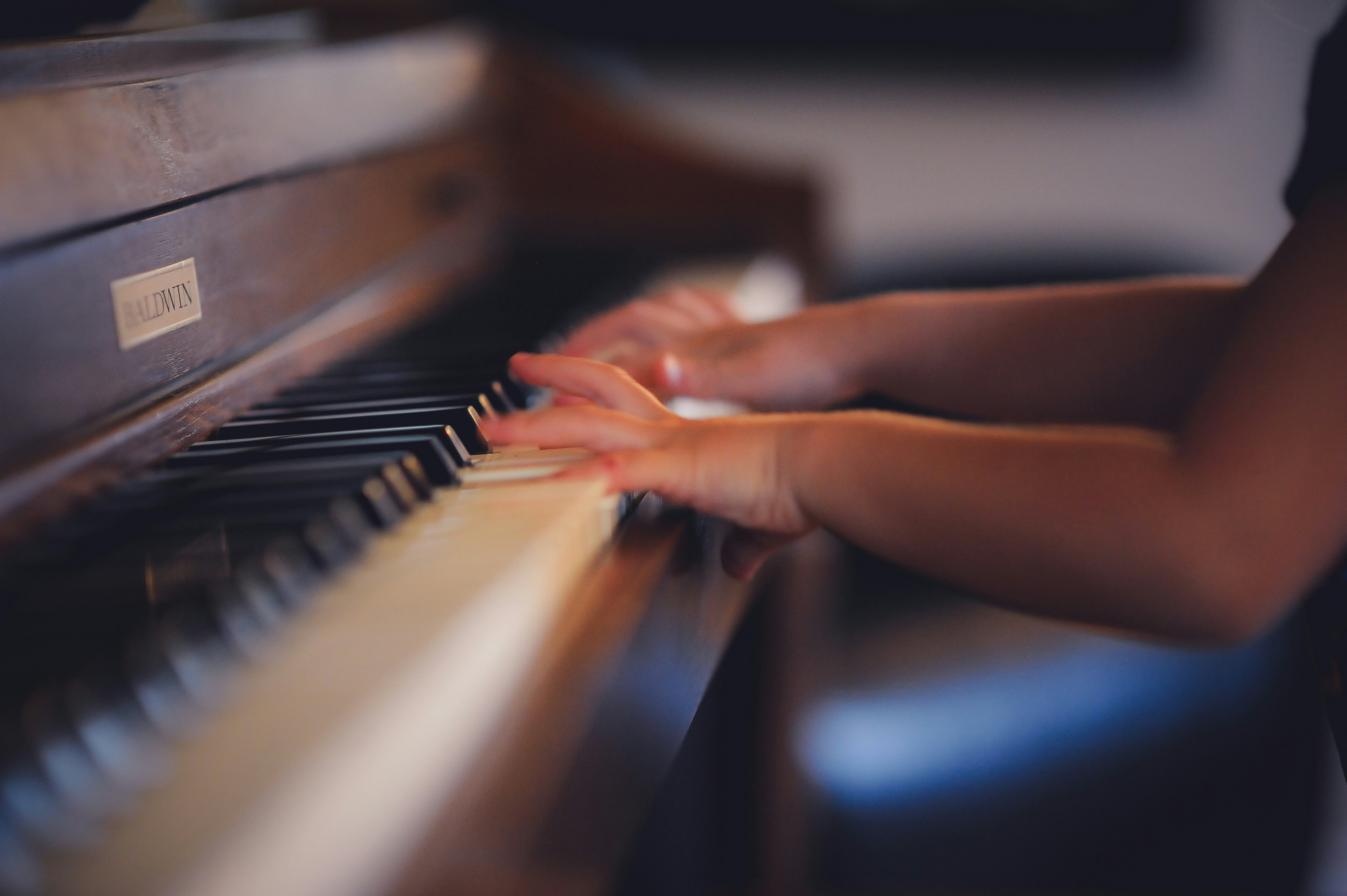
My oldest is taking piano lessons. I sit on the teacher’s couch, petting her small dog Charlie, watching my 7-year-old pick up new concepts like a little vacuum cleaner. She’s too small to reach the pedals. Her feet rest on a blue bathroom stool; she sits on a Peanuts pillow. She forgets which hand is her left and which her right, laughs at herself, tries again. She calls half-notes “the ones with the holes in them,” and her teacher beams with delight.

I try to notice and remember new rules and instructions, the better to supervise her daily 15-minute practice sessions at home. Don’t let your count speed up, let quarter notes be quarter notes, say the numbers as you play. The stem goes on the left, the note at the top, for left-hand descending notes; on the right with the note at the bottom, for right-hand ascending notes– or is it the other way around?

She is far from playing songs, and I wait for her to become bored, or frustrated, but she doesn’t. Each day she makes the most minute progress, each week adding just enough new material to challenge without overwhelm. It is slow-going, and yet I marvel at the speed with which she learns and assimilates new information. I marvel at her teacher, who has taught piano lessons in her home for decades. The patience it takes, the confidence that with diligence and repetition, these small steps will add up to something bigger– the freedom to pick up a piece of music and play it.

The piano teacher is also a mother of grown children, all homeschooled. As my daughter and I embark on our first “real” homeschool year (pandemic at-home kindergarten notwithstanding), I seek out her perspective.

Was it worth it? Was it hard? Can I do it?

Yes.

Homeschool, for us, is proceeding much like piano. Short, daily lessons. Trying to plan the weeks so they build on each other. Having patience and confidence that these small, nearly invisible steps will add up to progress. Setting simple goals and objectives for the year. A paragraph of neatly-printed text without letter reversals. An ability and desire to pick up a chapter book and read it straight through, independently. Being captivated by a particular moment or era in history, and immersing herself in it.

Some days I have an ambitious lesson plan and we accomplish most of it. Other days, I pencil in the bare minimum and we struggle to meet it, waylaid by a wailing, overtired toddler who refuses to be put down, or a brother who dumps all the kinetic sand on the floor and refuses to pick it up. I worry I’m not doing enough for her. I doubt my abilities. I add left-handed notebooks to my Amazon cart. I go to the Zoom meetings our charter school holds for learning coaches, and I see the huge gap between where I am now, and where I’d like to be as her teacher. I make another lesson plan for the new week to come.

Meanwhile, at 21 months, Iris reminds me that human minds are made for this. She chirps out new words every day without any formal teaching effort on my part– and in fact, as the youngest of three, with woefully fewer enrichment activities than either of her siblings had. There are no library storytimes or music classes, but we have a DVD of Baby Signing Time, and she now sings the theme song, and peppers our days with vocabulary. She plays independently in the sandbox and garden more than the older two ever did, because she kind of has to, and she ends each day covered in dirt and very happy. Dirty! she says, wiggling her fingers under her chin. All clean! she says when we plunge her chubby hands into the sink.

Somehow there is enough time. Somehow there is enough energy and enthusiasm on all of our parts. Somehow we are making it through the days. With my son in half-day preschool three days a week, and a babysitter who helps me twice a week for four hours, it’s becoming possible to both lead my daughter through her second grade year, and get myself through my last year of acupuncture school. In some ways, watching her learn is helping me learn. Having confidence in her is forcing me to have confidence in myself, as both a teacher and a learner.

Sometimes that confidence is simply acting as if, and trusting God to make it real. Act as if I have plenty of time. Act as if I believe I can homeschool my child, and get through school, and pass the boards, and the many other objectives that feel daunting when I face them as mountains I must climb all at once, rather than through tiny steps and repetition.

God is making a way for us, using our tiny steps and repetition. As much as I can, I get up half an hour earlier than the kids to sit in the pretty floral armchair in my office, with a blanket and a candle and my Bible. I act as if I want to, on days when I really don’t. I act as if I know how to pray, when every day I am humbled by my wandering mind and sleepy thoughts. I act as if I believe God loves me as much as I believe He loves, is in fact crazy about, everyone else. And God is so generous in response to my meager offerings. Each day I feel my desire to know and to love and to serve God increase just a little bit more.

I think about God as a patient piano teacher, helping us through our scales and laughing with us when we forget which hand is our left and which is our right. The gap can be painful– where we are vs where we want to be; what we mean to offer God and how very little we are able to give– and yet isn’t it also something to marvel at? We have a God who comes close to us, a Creator as near to us as a teacher sitting on the bench beside us. A wider Love and Mercy than we will ever be able to imagine.


Photo by Clark Young on Unsplash

Loaves and Fishes and Mothers

This post has sat in my drafts folder for over a year.

A year ago, I had a newborn and a three-year-old and a five-year-old, and no childcare. A year ago, we were a year deep into the pandemic and I was way past the point of an empty tank. In this metaphor, if the car is me, I had long since broken down on the side of the road. I wasn’t even trying to get somewhere anymore.

Most mornings, not every morning, I turned on Daniel Tiger for my kids and opened up Zoom to join a handful of people from my church in morning prayer. I found a brief respite and comfort in praying for the needs of others, and asking for intercession for my own needs: some variation on the theme of more patience, more sleep, more courage, more love.

I found relief– and hope– in the closing prayer: Glory to God whose power, working in us, can do infinitely more than we can ask or imagine.

I wanted so much for God to do infinitely more in me.

On every front, in every direction I looked, I was failing. I wanted to be in the streets, protesting, or helping feed and house neighbors in my city, but I couldn’t even manage to create peace or assuage hunger in my own home. Not significant enough. Sleep-deprived and exhausted, I cried in front of my kids just about every day. Not strong enough. I’d manage to choke back my frustration and respond calmly to one or two sibling squabbles, only to lose it after the third or fourth, making little eyes well and chins quiver in spite of my most desperate efforts. Not patient enough.

Locking myself in the bathroom so I could take a few deep breaths, while the baby wailed from the next room, I’d succumb to self-berating thoughts: Not selfless enough. All day, I looked forward to Lyle’s return from work, only to hear harsh and accusing words come out of my mouth the minute he walked through the door. Not loving enough.

Where is God in all of this? I wondered. What does it mean to have God’s power working in me? When does that kick in?

Any time I could get a break for 20 minutes, I started listening to podcasts on the Way of Love from the Episcopal church website. I’d sit in the big recliner downstairs with my earbuds in and close my eyes. One day I heard Bishop Mariann Budde give a reflection on the General Thanksgiving, another of my favorite parts of the morning prayer liturgy. As part of her encouragement to develop a daily habit of reading a small amount of scripture every day, she gave an example of a time when her daily practice of reading the bible really showed her that this is how God wants to speak to us.

Thirty years ago, when she was an associate priest and a new parent–with all the sleep deprivation and constraints on her time and energy that that entails– she had the opportunity to serve on the board of a local food pantry. She wanted more than anything to be able to volunteer more of her time, to visit the food pantry and be part of its day-to-day operations, but in the end, all she was able to do during her one-year term was to show up at the monthly meetings. She drove to the last meeting with a speech of apology prepared, feeling badly for not having been able to do more, and was left speechless when the board chairwoman gave a speech of her own, praising Mariann effusively for all that she had brought to them during her time. Mariann reflected that the chairwoman’s words “didn’t change my internal assessment of my contribution, but I also didn’t get the sense she was lying.”

The next day during her regular time of prayer and reading, she opened her bible to the story of Jesus and the miracle of the loaves and fishes. The disciples are anxious at the prospect of feeding a crowd of thousands, and they go to Jesus with their worry. They ask Jesus to feed the thousands, and instead Jesus says, “You give them something to eat.” We couldn’t possibly, the disciples reply. We don’t have enough. Jesus asks them, “What do you have?” And with their meager offering of a few fish and a small amount of bread, Jesus calls down blessings on the food, turning it over to God and then asking them to distribute it. You know the rest of the story. How there was more than enough the feed the thousands, and baskets of food remaining.

In her armchair 30 years ago, Bishop Budde reflects, she realized she had experienced that miracle in her own life. By God’s grace, what the people on her board experienced from her– what felt like an meager offering– was more than enough. “What Jesus needed from me was to making my offering, however insufficient it seemed to me,” she says. “Every day, in fact, I am still faced with needs I cannot meet and tasks I cannot manage. I don’t understand how the miracle of abundance works, I’ve only experienced that it does.”

This reflection brought me so much peace and reassurance, during a time of complete overwhelm and disappointment in myself. I’d never before thought about the disciples’ participation in the miracle, how Jesus repeatedly invites his followers into the experience of God’s love and abundance. You give them something to eat. Offer what you have, and turn to me, trusting me with the rest.

That Bishop Budde’s experience of abundance happened right in the midst of motherhood made the message all the more immediate to me. In her beautiful essay “Multiply Me,” Samantha Stephenson writes of the freedom that comes from admitting our own insufficiency, as mothers. “Everyone is crying,” she writes. “It’s need after need, and when do I rest?”

Like Mariann and Samantha, I, too, feel overwhelmed by the needs all around me, and frustrated by my inability to meet them. The miracle and mystery of the loaves and fishes is all about God’s sufficiency, Christ’s mercy– and yet it’s about the disciples’ faith, too. It’s about the heart-change involved in turning over more of your life to God. If I want to experience God’s grace and abundance in my life, I need to keep turning to him, in prayer and in reading and in mothering, too.

“Lord, multiply me, I pray,” Samantha writes. “I pray wondering when grace will kick in, until I realize it isn’t coming. It’s already here.”

It’s the not-enoughness that is the gift, she writes. It’s in our insufficiency that we are able to experience God’s grace, in the stretching of our bodies and hearts, in our turning and returning to God in word and prayer.

This essay has sat in my drafts folder for a year. It’s a year later, and I am sitting in a coffee shop in eastern Washington, the first plane flight and first trip I’ve made since March 2020. I’ve just spent a nourishing, cup-filling 48 hours in the company of three other mother-writers, people from different corners of the West whose writing I’ve admired from afar for some time. It’s a rare privilege for each of us to do this, to make the drive or book the flight or arrange childcare. None of us takes it for granted, and most of us won’t have an opportunity like this again for a while. We’ve met here to write, and we’re writing now, but we’ve also met here to talk, to swap stories and ideas and share the frustration that mother-writers know so well: not enough time for writing, not enough of a “platform” to meet the publishing world’s standards. How can it possibly be enough, the weekly two-hour window of babysitting time, the irregularly-shaped margins of the baby’s naptimes, the newsletter or the blog post? Are we doing it right? Should we be doing more?

None of us have come away with answers to those questions, but I think (I hope) we’re each returning home with encouragement to keep going. To keep offering what we’ve been given, what we have, as mothers and as writers, and trusting God to multiply it. To somehow turn our not-enough into more-than-enough. In a way, the conversations we’ve had are the more-than-enough, an experience of God’s provision through friendship and love.

In a few hours, I will get back on the plane and return to my family, to Lyle who’s been solo with all three kids while I’ve been gone. The next few weeks are so full, I’ve printed and reprinted a calendar grid several times to keep track of all the obligations I’ve promised to fulfill: Zoom meetings and errands, dance classes and swim lessons, doctor appointments and clinic shifts. Somewhere in there, I plan to study for the acupuncture school module next weekend, and maybe I’ll find a few scraps of time to read and to write.

I’ll offer what I have, and I’ll fall far short of my own and others’ expectations. I won’t be able to meet the needs all around me in the way I want to. But I’ll make time each day to read just a little bit from the bible, because I know that is where God will continue to speak to me, and give me an experience of his abundance.

The General Thanksgiving

Almighty God, Father of all mercies, we your unworthy servants give you humble thanks for all your goodness and loving-kindness to us and to all whom you have made. We bless you for our creation, preservation, and all the blessings of this life; but above all for your immeasurable love in the redemption of the world by our Lord Jesus Christ; for the means of grace, and for the hope of glory. And, we pray, give us such an awareness of your mercies, that with truly thankful hearts we may show forth your praise, not only with our lips, but in our lives, by giving up ourselves to your service, and by walking before you in holiness and righteousness all our days; through Jesus Christ our Lord, to whom, with you and the Holy Spirit, be honor and glory throughout all ages. Amen.


By Heart

Love is a fire truck, red as a heart, I whisper to my one-year-old in her pajamas. Her hands, perfect dimples and seashell nails, fumble with the pages, eager to turn them before I’m through with the story. She mimics the siren’s woo woo woo just like her brother did when he was smaller, shuts the last page emphatically like her sister used to do. We know this book by heart.

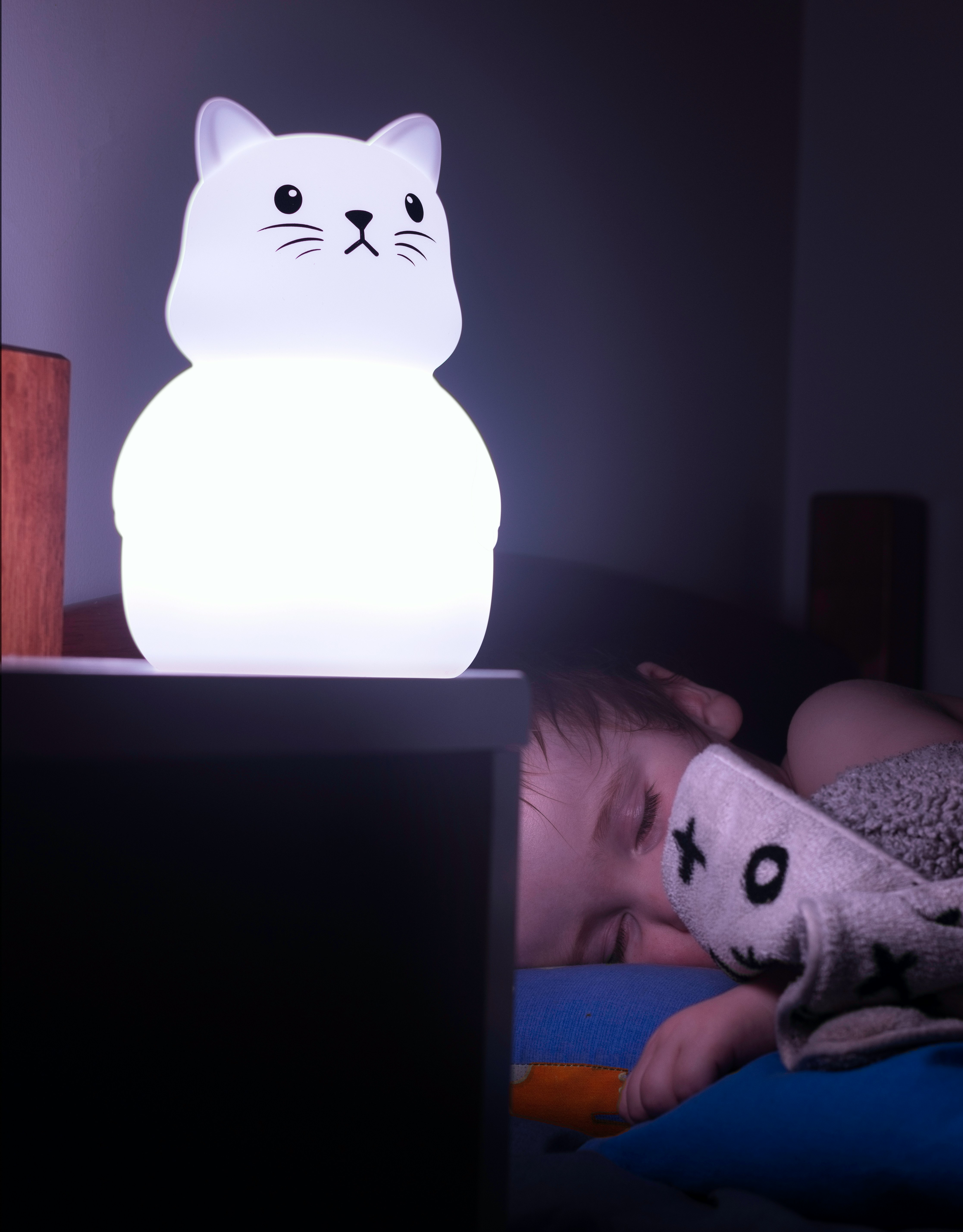
She knows what’s next, too, in the bedtime routine. We turn on ocean sounds from the owl lamp on her dresser, more static than waves after six years of service. We turn off the light, and my baby rests her head on my chest, pops her thumb in her mouth to listen while I sing and rock.

*

What do I know by heart?

Good Night Moon, its lilting rhythm intertwined with the guilt I felt when sleep-training our first-born. Where the Wild Things Are, the vine of its rhyme wrapped around memories of our precocious talker, who would complete the final phrases of each line: His mother called him Wild Thing, and Max said…? “I eee you up!”

Songs from library storytime. The Paw Patrol theme song. Old nursery rhymes: a penny for a spool of thread, a penny for a needle–three objects fast becoming outdated, unknown by my children, though they know Mommy’s going to school to become an acupuncturist, to use what my oldest calls my “soft needles” to help people with pain and sadness and sleeplessness.

Slowly, I’m memorizing the Shu Transport points, and the five systems of the Balance Method, flipping through flashcards kept in my jacket pocket, in line at Winco. Little by little, I work this ancient medicine into my heart. Halfway through acupuncture school, half of me is always studying. On the walk to school, tracing the edges of little hands to find Large Intestine 5 in the dip beneath the thumb bone, Heart 9 at the top of a tiny pinky finger.

*

There are some things we can only know by heart. There’s no other way to account for it.

It’s just before sunset and I’m at Fossil Beach with this guy I know. We are 20 and 21 years old and we’ve spent the fall hanging out in each other’s tiny kitchens between classes, cooking each other oatmeal, or sharing jam jars of wine and talking late about Robinson Jeffers and planets and our families. Then today, he asked me to spend the afternoon at the beach, and we packed a paper bag picnic and I climbed, heart pounding, into the passenger seat of his red truck. I was sure he could hear my heart then, and I’m sure he can hear it now, sitting side by side on this driftwood log, staring at a peach sky.

When he asks if he can kiss me, I know — I know. My heart is in my mouth and I’m so sure of the rightness of us, it scares me. Years later, I’ll still struggle to describe what I feel in this moment, how my heart seemed to know who this was. I’ll wonder if I’ve overlaid the moment with every moment since then– 18 years of loving him.

*

Maybe it’s both. A flash of recognition, the heart understanding something you can’t speak aloud. And also speaking words aloud, until they sink deep into your heart. You learn something by heart, by accident or on purpose, through repetition. Until it becomes dull and meaningless (a comb and a brush and a bowl full of mush), or until it shines with the gleam of purposeful reuse.

Like the sturdiness of recited prayer: old words gripped tight as a banister, steadying feet for the climb. I started with the Lord’s Prayer as a child, copied it onto paper in Sunday school, then clung to it through childhood nights when I braved the dark alone, whispering the words over and over to myself.

Decades later, I am praying one decade of Hail Marys at a time, learning the Anglican rosary. Running my fingers over plastic beads, I find small spaces of peace between naptimes. I speak the words aloud and feel connected to the millions of people who have said them before me, are saying them now. It becomes both my prayer, and not mine. My words, and not mine. I am a mother with very human worries in my heart, and I am somehow connected to the Holy Mother in the space created by these prayers. The worries still and settle like the beads, sliding into place.

“For it is with your heart that you believe and are justified, and it is with your mouth that you profess your faith and are saved,” Paul wrote to the first believers two thousand years ago (Romans 10:10).

Belief and knowing happen deep within us, where there are no words. But belief can be sparked by words, by testimony and prayers, poetry and letters. And when we believe– when we fall in love with God– we have to speak it. Like the circle of beads, belief and words are interconnected. A mystery.

Even Paul, encouraging those early believers from a distance, was sending them older words they would have recognized, from the Torah: “The word is near you; it is in your mouth and in your heart, so you may obey it.” (Deut 30:14)

I want the word of God near me like this. In fact, I’m realizing anew how much I need the word of God every day, all day long. Otherwise, I forget. I fall asleep, again and again, just like the disciples. I say I want to hear God’s voice and know God’s purpose for me, but really I have been refusing the simple (not easy) truth that God’s purpose for me is the same as for everyone who tries to follow Jesus: to point others to God, to be used by God.

To hear God’s voice, I need to bring not just prayer but the bible into the rhythm of my days, in whatever way I can manage it. Reading a Psalm and a chapter of a book from the New Testament before I clear the lunch dishes. Listening to a hymn in the car on my way to preschool pickup. Tucking a verse into my stack of flashcards. I want to have more of God’s word in my heart so I can better hear what God has to say to me each day. So I can have the word in my mouth and in my heart.

*

Rocking my baby in the dark, I’m doing what I do every time I put her down for a nap or for the night: focusing every part of my attention on her, taking all of it in, as if I’m studying for a test. I’m learning her by heart, because each day feels like a train that carries us further from babyhood, closer to the future.

Outside the door, I hear my husband ask our son for the nineteenth time if he’s sure he’s done with dinner. Doesn’t he want some of the yummy green beans? We both know all he’s had to eat is the bun around the hot dog, a swipe of ketchup. And still there’s patience in my husband’s voice. Kindness, and weariness too.

After this comes the long trudge across the desert toward the oasis of bedtime– all three kids asleep, and maybe some time for talking again, just the two of us. These days it’s mugs of tea and not wine, but there’s still talk about poetry and planets and our family.

But first there’s teeth-brushing, pajama-wrangling, small-naked-person-chasing down the hallway. No, I don’t know where your bear slippers are. Yes, I will fill up your water-bottle. It’s time for a story. It’s time for lights out. Okay, go to the bathroom then come right back. Yes, I will sing you a song. No, you just went to the bathroom. Good night. It’s time for bed. It’s time for bed.

Most nights, I am so desperate for them to be in bed, I try to speed things up. But some nights, I remember to weave prayer into their bedtime routine. I want them to have this habit. There’s one we’ve been trying out lately that they like, from a little book, Praying with My Fingers. Each finger represents a different group of people to pray for: friends and family, teachers, leaders, the sick, and yourself. I count with my fingers, and learn how to pray.

In a way, children already know how to pray, I think. They have their ears resting on God’s chest, listening to the heartbeat there, like my baby does. I think this is what Jesus means by having a childlike faith. Children know they are small and need help. They know they are loved, and that someone knows what they need, and cares about their hurts and their worries. I am teaching my kids, in my imperfect way, about God, hoping they’ll love Jesus. But they’re also teaching me, about trusting God and resting in his unconditional love.

I think of the routine my son and I stumbled into, through the creativity of desperation, at his first preschool drop-off last year. Let’s tie strings to our hearts! I whispered, getting down to look into tear-filled eyes over his mask. He whimpered, but watched as I pantomimed unspooling a long thread, whipping it in the air like a lasso. He giggled as I coiled it around my heart, then very carefully tied the other end around his. Remember if you miss me today, you can pull on your heart-string, and I’ll feel it. Sometimes now, he runs into his classroom without looking back. And sometimes he gets out his invisible string, and he lassos my heart.


On Finish Lines and 39

In the picture, I am 18, running in a crowd across a giant finish line, one sneaker striking the first “L” in Honolulu Marathon. I look both jubilant and exhausted, like I belong in a crowd of runners and like I might be a spectator, stealing onto the road for a photo op. I’m wearing cutoff yoga pants and a pair of yellow submarine socks, my race number pinned over my Team in Training jersey.

What you can’t see in the photo is that my skin is chafed in places I didn’t even know it was possible to chafe, having been running for over six hours through Hawaiian humidity and the gentle spray of garden hoses offered by cheering neighbors along the route. What you don’t see is the community of runners and walkers I’ve been training with for the past six months, some with multiple marathons and PRs under their belts and some, like me, who’ve never run a race before in their life.

Truthfully, though, I remember very little of this moment, this grand conclusion of a goal I’d been working toward for half a year. Instead, I remember a row of roadside spider webs strung with beads of dew, on the run when I first felt what they call a “runner’s high.” I remember watching the spire of the tiny white church dip and rise as I rounded the UCSC track far above town, putting in my five miles after class each day. I remember Amy picking me up at dawn on Saturdays for long runs all over the Bay area, both of us warming our cold hands on the dashboard heaters, and how we’d both be so sleepy on the drive down, so energized on the drive back.

The girl in the photo is just beginning to discover who she is, and how that differs from the girl she’s been. She wants to be a writer, and she thinks that means she can’t be a mother, something she can’t yet admit she also wants. I’m a little in awe of her, this 18-year-old-me. She is running with arms open toward the next chapter of her life, even though she has no clue what it holds.

Today is my 39th birthday, and I’m beginning it the way I begin most weekdays: with a two-mile run around the athletic track near our house, greeting the dawn that stays dim with rain-soaked clouds long after the sun is, technically, up. I’m working toward running a 5k in March with my three closest friends, all mothers and writers, like me.

It’s the first day of the last year of my thirties, and culture would have me look at my looming 40th birthday as a finish line of sorts: the end of young adulthood, the beginning of middle age. There are so many things we’re told we must do by 40. Where did 18-year-old me imagine I’d be?

I thought it would be cool to run another marathon at 36 (I didn’t). I wanted to have published a few books (I have, though they’re smaller projects than I’d pictured at 18). I’d never have guessed that I’d be halfway through a program to become a community acupuncturist, or that I’d have three children and sometimes wish for more. I hoped to fall in love (check) and live somewhere beautiful, with enough land for a garden and chickens, like the home I’d grown up in.

If this is the beginning of middle age, then I like being in the middle of things– half-finished projects I’m excited to pick up, a baby underfoot and learning to walk, a three-year-old who wants to read and a six-year-old with loose teeth and so many good questions. A partner who geeks out on the same things I do but still surprises me daily, a book to write, and so much more to learn about meridian theory, healing, and the body.

I’m grateful I’m still running, and in no hurry to get anywhere.


The Baby is Almost One

In two weeks and four days our baby– third baby, last baby– will be one. One: the lilypad from babyhood to something more. Not quite toddler, but getting too big to nurse, outgrowing booties, grabbing the spoon from my hand.

Not always, but plenty of times, I have held her in dark rooms rocking her to the shushing of white noise and willing my body to memorize hers. To know her weight at each age, knowing how my memory changed so quickly as my older children grew, my brain somehow erasing the previous stage to replace it with the child-shape in my arms. I have held her wanting to hold onto the moment, to her, or at least to know I was fully there, taking in as much as I could.

Not always, but a lot, I felt pure happiness just holding her, not wanting to lower her into her crib.

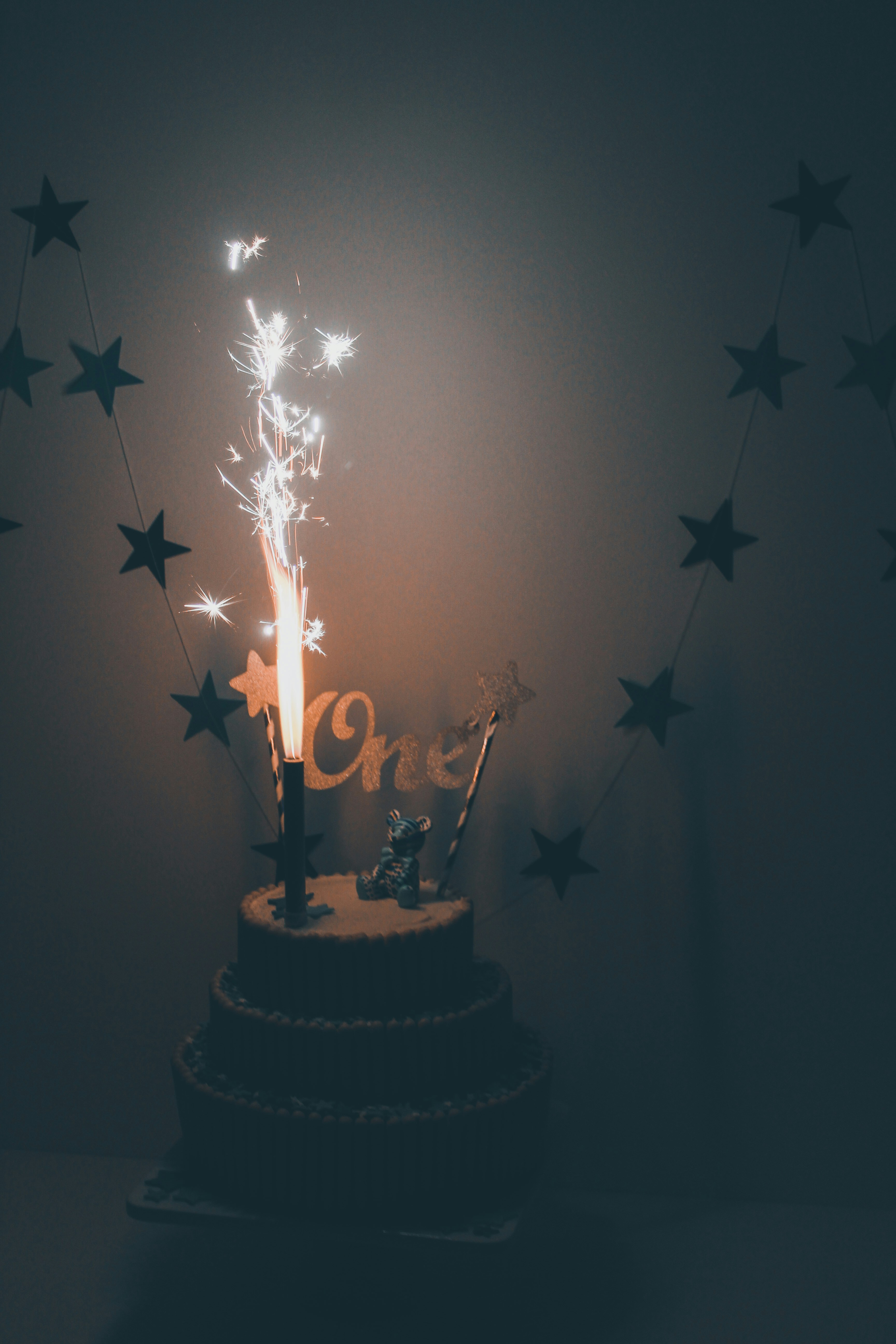
I haven’t planned her first birthday party, haven’t called it a party, even. It will be her, and me and her daddy and her siblings, and Nana and Poppy. A round little cake, a balloon, a candle, her crinkly-eyed smile. The crinkle of paper and her pudgy hands, clapping. It will be four days after Christmas, in that bridge of time between the biggest parties of the year, and I want it to be quiet. I don’t want anything to distract me from that one small flame. I’m so grateful for her, and for my motherhood, for her brother and her sister. The magical thinking of: if I can just love each moment enough it will make up for all the times I held my babies and wasn’t present, was angry or tired or hopeless, and didn’t love the moment enough. I didn’t know how fast it would go and that it would eventually be over, each babyhood year.

What does it mean that she is our last baby? Didn’t I think each baby was our last? I never bought a tiny cake pan to make their first birthday cakes. Each time I borrowed one, thinking, Oh, why buy something I’ll use so rarely, but also, I couldn’t possibly be this lucky again. Maybe that is the mark miscarriage leaves. Surely this was just a fluke. Or the strange insatiability: will I always want another baby, the way a child always wants another ice cream cone? Maybe it’s a type of hungry math– if I add and add and add, it will cancel out the heartbreak of those zeroes. Love doesn’t work that way, but hunger doesn’t understand that.

A mother of four, Maya Rudolph described herself in an interview as “addicted to babies,” and sometimes I feel that way. Not fixated, not obsessed, but habituated. To what? To the possibility? A mother of four. I’m exhausted with caring for three, and the road to Iris’s kindergarten year looks long, and still I find myself folding and storing away a few pairs of threadbare maternity leggings, a stack of my favorite onesies. Not in the keepsake boxes I’ve started for each child, but in an unmarked, mostly empty box in the basement. As if, like the unplanned first birthday, if I don’t think about it too directly I don’t have to face its meaning.

The keepsake boxes are labeled, layered. At the bottom there is the pink sweater Sky wore at four months, and on top are the pair of ballet shoes she just outgrew– too beloved to toss, too worn to save for her sister. There are the brown fuzzy booties that warmed Robin’s feet from January to May of his first year, turning him daily into bear cub, and there’s the orange astronaut jammies he loved so much, wore so often I can’t imagine them on Iris. And somehow there’s a box, too, for Iris: her going-home outfit that now looks improbably tiny, her first bathing suit that won’t fit next summer. I wonder how it could be over so soon. I wonder how to explain to myself that having another baby doesn’t bring the other babies back– not Iris as a newborn, not Sky at six months, not 9-month-old Robin, not the babies that faded away before they could be born.

How do I explain this to my heart? Not the organ, but very much the organ, too– its terrible, incredible pumping. The heart is the first thing I knew of each of my children, as a little feathery beating on a grainy screen. The heart is the part of me that has physically ached, each time I crossed the threshold of birth, with the weight of a love no one could have explained to me. And my heart is also something that isn’t flesh and doesn’t understand flesh’s finality. My heart wants to go back and forth through time, or suspend it, and linger in the nursery rocking each baby again.

This part of me isn’t rational. She’s very persuasive. I won’t give her the keys, but I also trust her to show me where to pay attention.

The baby is almost one and I haven’t planned a thing. Already she is pulling on my hands, pulling herself up to stand, laughing and wobbling into her next year.

Joy in Four Parts

1

The baby is both things incarnate: the embodiment of joy, and unexpected. Even now, almost a year later, I still look at her in astonishment. Is she really ours? I take a beat before I recognize our reflection as a family of five. Who is that family with three children, outnumbered? Spilling noisily out of a grocery aisle, or strolling loose and easy to the park like, it’s no big deal, what’s one more? She is our big deal. She is our more, and her whole face shows it. She opens her mouth as she takes her first wobbly steps, holding my hands. Ha! Ha! she shouts, looking at me, eyes wide. Did you know this, mama? Did you know the world contained this miracle, this walking? I have doubts about my own purposes here, but I know our baby’s. She came here to be joy.

2

He is so small, so heavy with tears each day, and so much lighter– like a bird– than his constant motion makes him seem. Every day I wonder: Who are you? Who will you be? Our birthdays are five days apart, with 35 years between us, and when he was born I thought, Here is a child who will be like me. We will understand each other, like January people do. In some things, that’s true. Today, working on the solar system puzzle together, slowly, on the kitchen table. Making a nest of blankets on the couch for us to read books in. How he never wants to NOT be wearing pajamas. But then, the abandon with which he sends his trucks into the block towers, whooping at their destruction. The shock of his delight. The shock that it doesn’t take sameness, that I don’t need to share his tastes to share the blaze of his happiness.

3

My first light, my bright girl, she laughs loud. She’s so silly, so ever in the mood for a game it’s easy to miss how soft she is, how easily, deeply wounded. Her quick hug around my waist at the stove where I’m cooking, seeing me frustrated with her brother, stepping around the baby. The many all-caps drawings in pen she makes for us. LOVE SKY FOR MAMA DADA ILOVEYOU SO MUTH. I had bought all the books, last year, to teach her to read. I was going to follow all the steps and now it’s like she’s taken flight. I’m watching her learn it on her own, among her friends at school, trying out different spellings at the kitchen table, or picking up on letters in the wild when we’re out driving, her whole face lighting up in the rearview.

4

The grass in the meadow had curved low on the ground in a pattern like clouds, and the kids were running in it, in the breathless, expectant way of children. They don’t know what comes next or where they’re going, they just know they have to be there, be in it. We called them back from the edge where the grass darkened into bog, picked them up to take a picture with us, in the spot where we were married ten years before. I remembered looking at the stand of pines in the near distance, thinking to myself– Could there ever be joy as deep as this? With him, with us, together, could life ever really be that hard? Yes, I thought, holding our children close in the meadow. And yes.

On Pebbles, Daniel Tiger, and Loneliness

Photo by Lindsey Middleton on Unsplash

We have a rock collection in our house. Some are from special places, some are precious stones, but most of them are ordinary pebbles that just felt good in our hands, picked up from creek beds and beaches. When my oldest feels worried, which is often these days, she sometimes picks up a purple stone with a slight indent, and rubs it with her thumb to comfort herself.

It’s a bit of polished agate I found at a bookstore in Philadelphia, when I went to visit a childhood friend expecting her first baby, whose husband was fighting cancer. I picked up the rock to soothe my own worries, for my friend and her husband’s pain and her son’s future, as well as for my children, a seven-hour flight away and missing me. I brought the stone home and gave it to my daughter, and she would often slip it into her pocket before preschool drop-off, or whenever she found herself somewhere new and scary.

I’ve been thinking about that rock lately, and worry, and how to move through scary places. An introspective person by nature, I am usually pretty comfortable and familiar with my feelings. But this year has utterly shaken my usual ways of processing my own emotions and helping my children with theirs.

Photo by Cody Chan on Unsplash

In March, as the virus took hold in the U.S. and the borders of our home life began to close in, I tried to write about how silver linings were simultaneously irritating me and keeping me sane. I wrote about trying to hold space for my friends’ emotions while honoring my own. I wrote about how I found myself on the lookout for anything joyful, hopeful, and kind.

At the same time, I chafed at the pressure to only see the good. How do I let the good moments in, and truly experience them, while also feeling my fear and grief? How do I allow myself to grieve, when so many are suffering far worse than I am?

Sometimes, you feel two feelings at the same time, and that’s okay, Daniel Tiger sings to my children. I look up from the computer. As I write this, I’m scanning news headlines and Googling sight word activities for my daughter, while simultaneously rescheduling her dental appointment, again, for as far in the future as possible. As 2020 comes to a close, we are no closer than we were in March to a time when a simple dental visit seems worth the risk. I want to ask Daniel Tiger how to be okay with feeling seventeen feelings at the same time, still, while also doing four things at once.

How to reconcile this mix of worry and overwhelm, a constantly frustrated need for time to myself, with my gratitude for the warmth of bedtime snuggles with my kids and the latest funny thing my youngest said? Underneath my unraveling patience and depleted stores of empathy, there’s appreciation for our simplified family routines and more time to be together. So it’s strange to admit that the feeling I struggle with most is loneliness.

My in-person interactions with adults have been narrowed to my husband and the two families in our bubble, all of us just barely making it through each day, often too exhausted to talk about how we’re really feeling. Could we put it into words even if we tried?

Then, too, I find myself longing for connection that grounds itself in shared beliefs. I join Zoom morning prayer with a few church members when I can, but I miss being physically in the church building with them, being able to cry together, touch hands as we pass the Peace, taste communion bread and share coffee-hour snacks. My oldest is just reaching an age when I can begin to share my faith with her, but how can I give from an empty cup?

Photo by Daniel McCullough on Unsplash

I have been pregnant for most of the pandemic, coping with all of the changes to life-as-we-knew-it while riding a roller-coaster of physical changes. Instead of bread and wine, I have had a bottomless mug of morning sickness, heavy fatigue, and no childcare. Preschools closed, along with libraries, playgrounds, community centers, dance classes, and indoor play groups. My own school went to online learning in March, halving and confusing what should have been a year of in-person instruction in acupuncture, an unavoidably hands-on art. We struggled as a family to find time for me to finish my schoolwork in preparation for a leave of absence. And then we moved. And then the wildfires started.

I write all of this down not to inspire pity– no doubt anyone reading this is dealing with similar struggles, and more– but to remind myself of the specific context for my depletion, impatience, bouts of despair and discouragement, and yes, even rage. Parenting small children was already hard. Parenting small children while pregnant would have been hard. Parenting small children while pregnant and then moving to a new home would have been hard. 2020 has only multiplied those challenges and added new ones. It’s all too easy for me to overlook this, and I am learning afresh this year that truly practicing self-compassion is no longer optional.

Here’s another thing that’s no longer optional: my faith.

I am learning, again, how much I need God, and have always needed God. I am learning, again, that it is possible to turn to God after a season of “sleeping.” Learning that I have been sleeping, again, for some time now. Remembering that this is how faith works, at least for me: forgetting, remembering, beginning again. That my feelings of loneliness, isolation, disappointment, and sadness can become doorways, in Jesus, toward a deeper knowing of my belonging in the mysterious Love that is always seeking us.

I am learning that despair can be a blessing– Blessed are those who mourn, for they will be comforted. After despair sips the sweetness and color from everything, after I stop ignoring the pain with my busy task-completing and project-creating, after I admit how unloved and abandoned and mad I feel, the Spirit comes into my emptiness and fills me with a kind of stillness that allows me to see God again. Not as I once saw God, not as I wish God would be, but as God is. Passages from the Bible have news for me again– For behold, I make all things new.

I have hesitated for so long to try to talk about this, or write about it, because it feels so precious and hidden and wordless. But something else Jesus has been showing me, through my loneliness and disappointment, is that some of that loneliness is of my own making. I haven’t been my full self in my relationships. I haven’t been honest, with myself or with God or with my family and friends, about how much God matters to me. How important living with God, living a life of faith, is to me. So if I now feel like I don’t know how or who to talk to about these things– about wrestling with paradox within the context of an abiding belief in Love– whose fault is that but my own?

Jesus says, You are forgiven, and you can turn to me this minute and begin again. Turn to me and be saved, for I am God, and there is no other. So that’s what I am doing. Unexpectedly, I am finding joy again, even here and now, in 2020. It’s not loud or bright or especially sociable, but it’s real joy. It’s like a smooth pebble you find on the beach, and slip into your pocket, and somehow you know it was meant for you, and has been there forever.


This post is part of a blog hop with Exhale—an online community of women pursuing creativity alongside motherhood, led by the writing team behind Coffee + Crumbs. Click here to view the next post in this series “Unexpected Joy”.

Dear Baby

June 5, 2020

Dear Baby,

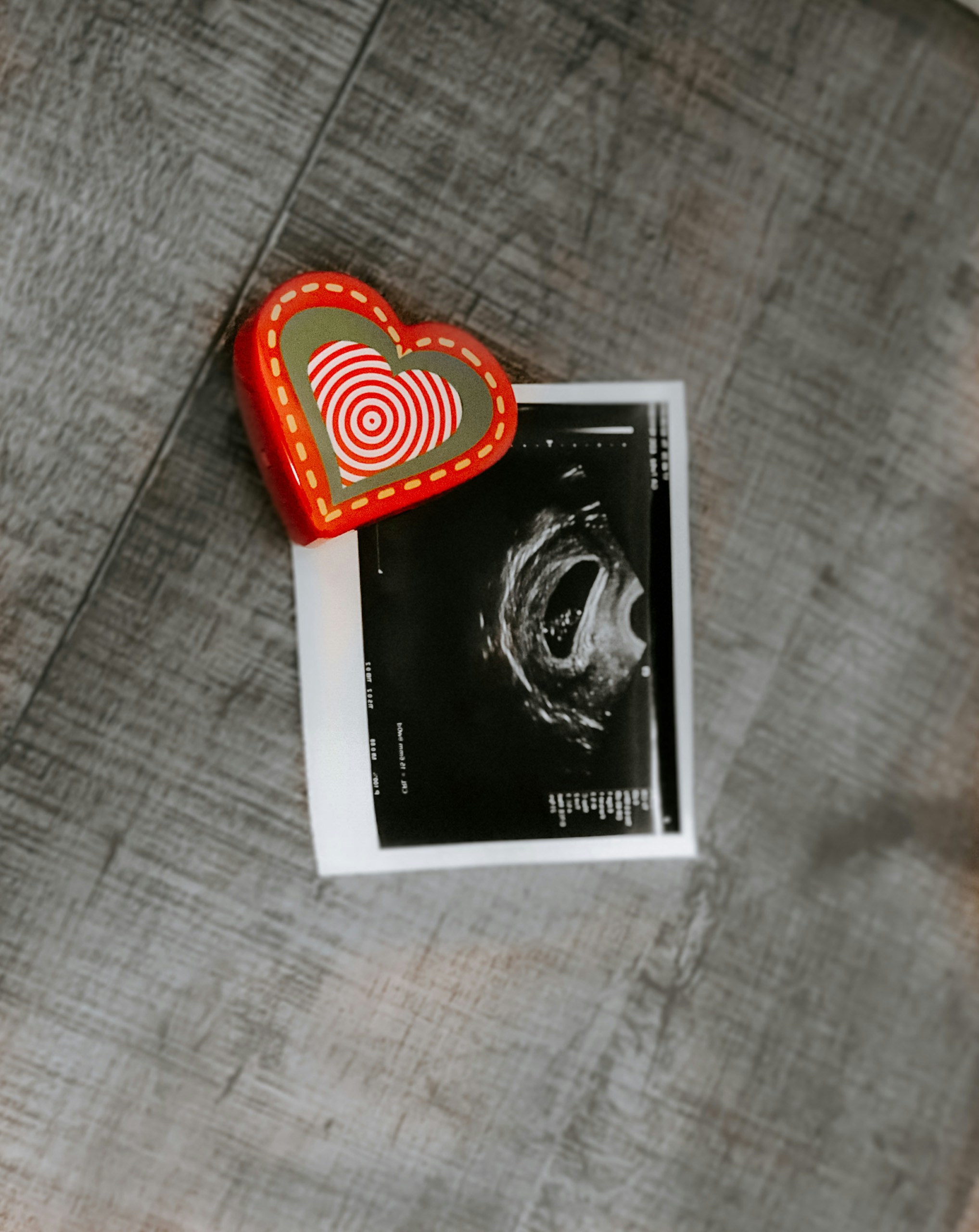
Sometimes I think I know your name. Those are happy moments when I trust you are alive and healthy in there, your little heart still beating as I saw on the dark screen three weeks ago now, such an impossibly small but undeniable claim, I am here.

I discovered you were there on Earth Day, about a week after I had unexpectedly spent several days unable to keep anything down. You were a secret I carried with me for a few days, just the two of us aware that you were there. Not planned, but not unplanned, either. A sweet reminder of hope, renewal, possibility.

You don’t do it on purpose, but you bring that reminder with a heavy dose of all-day nausea and fatigue. At ten weeks today, I’ve been sick for about six weeks now, and it’s been hard. Especially as the pandemic goes on, and painful old structures get torn apart in hearts and in the streets, and there’s so much I want to give my energy to. Mercifully the days still pass as they always have, and with each morning we’re getting closer to the time when the sickness might finally subside.

There was a baby who came between your two older siblings, who only stuck around about this long. I felt this sick every day that baby was with us, so the nausea doesn’t reassure me much that you’re okay in there. I am trying to keep hopeful, to steer back toward trust when my mind starts to veer into worry. I want to trust God and to trust you, that your spirit has its own course and you will do what you came here to do, for as long you’re meant to be here. I want to believe in your life, as Sophfronia Scott writes so  beautifully. I don’t want to choose to believe in death.

Yesterday we put an offer in on a home we really love. I can imagine you and your brother and sister playing in the big yard with its wildflowers, long driveway, and tall trees. Carrying you and carrying my hope feels a little like that– walking through empty rooms and letting my heart move in. Your crib in our room at first, a baby gate at the top of the steep stairs, the Moses basket downstairs so I can put you down while I fold laundry or break up a squabble between your siblings. I arrange these things like a dollhouse, knowing none of it is certain. Motherhood has taught me nothing ever is. Each of us is a miracle hidden in plain sight.

Love,

Your mama

—

August 5, 2020

Dear baby,

Two months have gone by since I last wrote. I can feel your little feet or hands fluttering low in my belly. Every time I feel this fish-like swirl, I catch my breath and let amazement and gratitude course through me all over again. I am so glad you are still here with us. 18 weeks going on 19! It seems like too much goodness. I am still practicing believing in it, believing in you. Last week we closed on our new home– a different one than I’d thought, but the right one for us, I hope. It feels surreal that so much of what I’d imagined for so long seems to be taking shape. Hidden inside, somehow your little bones, muscles, skin, and eyelashes are forming. You can hear me singing now. Maybe you can even hear your big brother say, “Hello, bey-bee? You in dare?” as he does every morning, climbing into bed next to me and laying his little ear on my belly. Your sister wants to name you Lemon, Peaches, Jane, or Lindsay. At least she’s got all her bases covered.

At our new home, we are ripping out 60-year-old carpet and asking for advice on polishing and sealing the hardwood underneath. We are limbing trees, uprooting ivy and holly, and removing overgrown rhododendrons and shrubs that block the light from the windows. I imagine carrying you into these rooms in December or January, gray months when we will need all the light we can get.

The truth is, we need all the light we can get right now, in high summer. The virus is still taking too many lives, and the social change we desperately need is still slow in coming, with plenty of cruelty on its heels. The government of the country where you will be born seems more hell-bent than ever on protecting property and capital over human lives– but the truth is this has always been the case. Truth and light are not easy to take in, but they are as vital as clean air, food, and water. I always imagined I’d provide much more than that for you and your siblings, but lately my prayers are that simple, that tinged with fear. I pray that you and I and our family will survive the virus as it continues to rage this fall and winter, and that there will be enough of a planet for you to live on when you’re my age. I pray that we all make it until you’re my age, and then some.

But I am not sorry you’re coming, not sorry we brought your brother and sister into the world. Whatever comes, I don’t want to ever regret choosing you three, and I pray that you will never regret your births, either. I pray that you will each do with your life what you’re meant to do, and that you’ll get to be who you’re meant to be. I pray that my mothering makes that possible. I love you already baby girl.

Love,

Mama

—

August 20, 2020

Dear Baby,

On the grainy gray screen in the dim room, you open and close your tiny mouth, move your hands (five little fingers!) toward your mouth, cross and uncross and kick your legs. Your heart’s four chambers open and close rapidly, like the bellows of a bull frog’s bright yellow throat, in the pond where I take your siblings on cool mornings. Your body is as real and whole as any being in the natural world. Mostly unseen and quiet, your little life hums away.

The ultrasound technician calls you a cooperative baby. She takes her one hundred pictures in record time. She says she sees nothing that concerns her, that you are active and healthy and well. I feel like the richest woman in the world. It is 7:30 in the morning and I have been asked three times for my name and birth date, had my temperature checked twice, submitted to the eye-watering tickle of a Covid-19 nasal swab, all to be cleared for this chance to witness your shape on the screen. I see your skeleton, your profile, the innermost shapes of your organs– all of this an intimacy that feels invasive, excessive, but that nonetheless gives me goosebumps.

You’re really in there.

You’re really a little person, sent to us, mysteriously meant for us. Waiting to emerge into the waiting world. I don’t remember feeling this way with your siblings. This baffled, this late in the game. Still surprised, at 21 weeks, more than halfway through pregnancy, that we’re actually going to meet you, and welcome a brand new person into the insular world of our family. Our world that has grown even more insular these last six months, circumscribed by an unseen virus and the ever-changing borders of its reach, as we map the strange new reality we live in.

In just a few days, we’ll pack up the rest of our belongings and move everything to our new home. It isn’t far, not even over the county line, but it feels definitive in a way all of our previous moves haven’t. This is a home with the big backyard we always pictured for our family, well before we even pictured you. There’s a Norway maple with a thick limb perfect for hanging a swing, a sweep of firs at the top of the drive, rabbits that come to peer, curious, from the overgrown berry bushes at the back of the property whenever we visit. Already your brother and sister know to kick off their shoes, and run barefoot through the soft grass and shade. I picture you learning to walk and then run with them, and pray that we’ll get to watch you all grow up there.

There’s been grief, loss, worry, and stress in these early months of your budding life. Knowing you are there has brought us light and joy. We can’t wait to bring you home.

Love,

Mama

And Saturday

IMG_0796

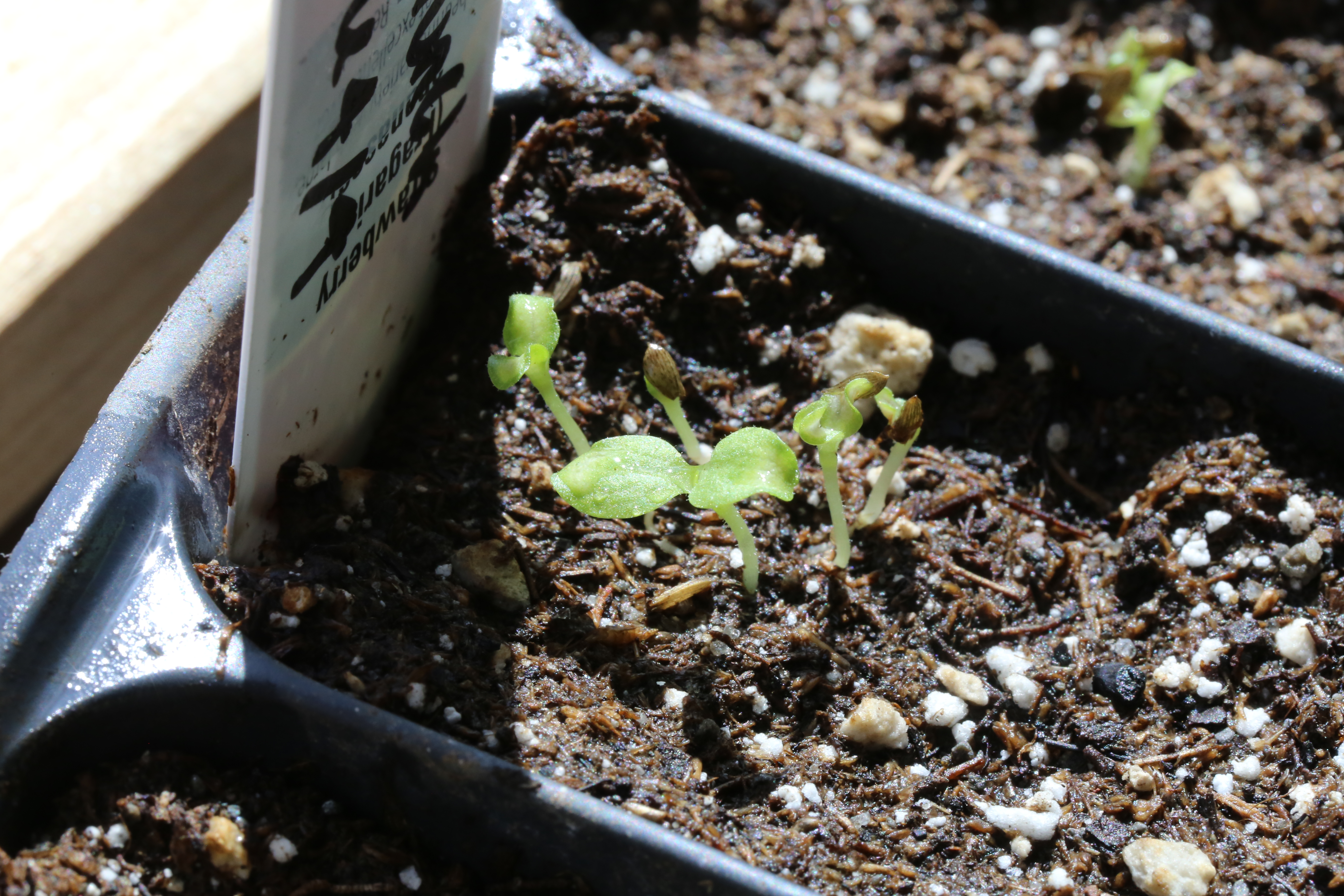
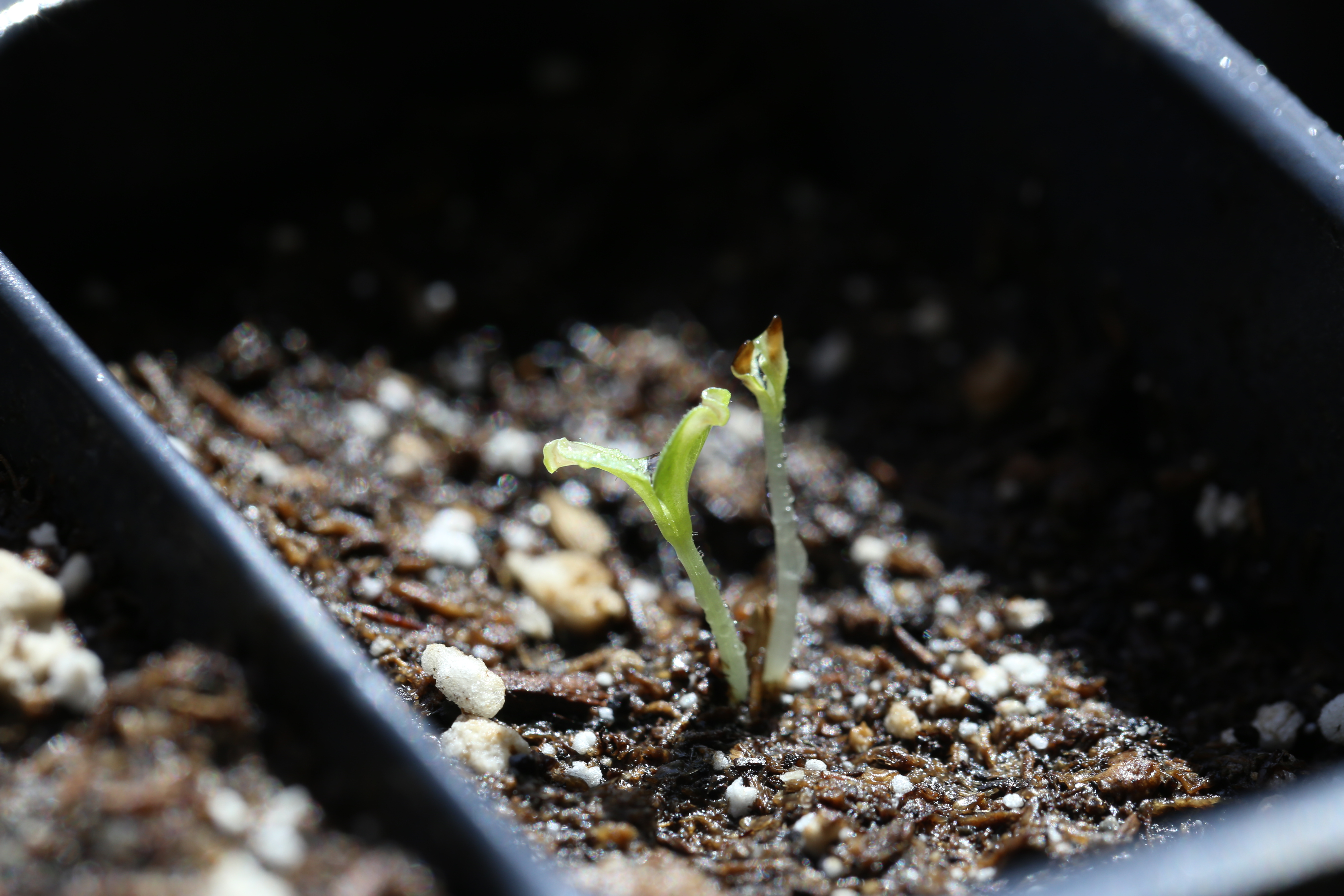
Like a lot of families, we have been starting seeds indoors. Delicate lettuce and nettle on the windowsill, sturdier basil, squash, and sunflowers on the back porch. With the quieter, slower pace of life during the pandemic, we have time to witness their growth. After very minimal effort on our part, after a week of watering and no sign of change, we start to notice the first movements of the first seeds, a barely perceptible shift from darkness into light.

It is the Saturday before Easter. In the chronology of the story of Jesus’s death and resurrection, Saturday is the and. Limbo time. Liminal. It is the day between two starkly different days. Between the painful, terrible truth of the death of a controversial, radically loving man, at the hands of the people he came to liberate, and the impossible, mysterious transformation of that death into supernatural forgiveness, into eternal life for him, and the promise of the same for everyone who chooses to take on the work of loving bravely and sacrificially.

On Good Friday, the man Jesus is put to death– his body hung on a cross, murdered, and buried in a cave, with a heavy stone rolled over the entrance. On Easter Sunday, his body is mysteriously absent from that tomb, and all kinds of strange, inexplicable things happen. He appears to his followers, not as an apparition but in his body– a changed body, but human flesh and blood nonetheless– to tell them to get up, to celebrate, because he is not dead but more alive than ever. And it just gets weirder and better from there. The whole story of Christianity begins there, on Easter Sunday when Christ rose from the dead.

But Saturday? Saturday is dark. Saturday is the heavy dark silence of the tomb, the feeling of no escape, no exit. Saturday is an eternity without Easter. Saturday is the finality of death, is death as the last word.

It strikes me that we are living in Saturday times. The pandemic feels like Holy Saturday on repeat. A Groundhog Day of in-between, of and, where death is the only thing that feels certain. It feels even more necessary, and even more difficult, to hope for Easter this year.

I think of my church, where I haven’t been since Christmas. In the Episcopal tradition, the cross is covered with cloth during Holy Week. We try to suspend our knowledge of the rest of the story. Having sung our last Alleluia the Sunday before Ash Wednesday, and with the Lenten season almost behind us, our mouths are parched with its absence. In years past, on Sunday after Sunday before Easter, I have had to stop myself from sliding easily into that familiar word, and so by Holy Saturday my whole body feels like it is leaning forward, at the edge of my seat, waiting for the word to flower on all of our tongues. At midnight, the Easter vigil marks the transition from death to new life, and with sunrise, Easter’s promise breaks through with light in the darkness. Alleluia: Praise the Lord. Joy and triumph.

Christians living after the crucifixion have the benefit of knowing this promise. We know the whole story at the outset: that inside of darkness there is light, inside of despair there is joy. This is the human story, the paradox of great suffering existing alongside great love, that Jesus came to offer us. But on Saturday, in Jesus’s time, his friends and followers didn’t yet know this.

So on Holy Saturday, we practice that not-knowing. And it is terrible. For me, it’s really hard to sink into that knowing, to allow myself to feel that bleakness, that absence of escape from the tomb. This year, it feels less like an intellectual exercise, and more of a reckoning with what I feel all around me.

What is the faith of the follower who does not know, has not yet experienced the return of Jesus, Love’s triumph over death? What did it feel like to be Mary Magdalene in the hours before sunrise? She does not yet know that when she goes to the tomb, she will find the huge stone moved from the entrance, the whole cave flooded with light, empty.

IMG_0810

So it is called Black Saturday, Joyful Saturday, Holy Saturday, Great Sabbath. And, and, and. All of these in one.

I feel like I am always, despite my meager prayers and my best efforts, the follower who does not yet know. Only in my most private moments of despair have I felt what I think of as Love breaking through, something I don’t think even approaches what I imagine Mary Magdalene must have felt when she saw the empty tomb and later her beloved teacher again. The certainty she must have felt with her body, canceling out her mind’s disbelief. I feel like most of the time I live my life inside of and, in limbo. My mind constantly fighting my body’s knowing that Love is alive and waits for me.

Inside this dark, endless Saturday of the pandemic, I struggle to make any movements toward faith. My prayers are wordless. My doubt and fear take up most of the space; keeping my hands busy and being present for my kids fills in the rest. The most I can do is try to keep a small space open in my heart for the possibility of Love’s return. I want so much to believe that life triumphs over death, but it’s hard to do. As it must have eventually become, even for Mary, once the shock wore off. Even after you see it, feel it, know it, it remains difficult to hold onto, because we are human.

So even though we are always in need of Easter, always in need of God’s mercy for our failures and mistakes, and the reassurance that we belong in Love, I feel it more deeply this year. I’m not even sure what that means at the literal level of the mind. It just feels like my body is leaning more heavily toward Alleluia, like my eyes can’t get enough of the sight of seeds sending out green shocks of light, breaking loose through dark soil.

IMG_0793