Posts

Silver Linings and Giant Dark Clouds

Last night I had a good long talk with a dear friend over a glass of wine and Google Hangouts. I am still savoring the warm feeling of connection, and gratitude for our friendship. Among other things, we talked about the rollercoaster of emotion we are all riding, and grappling with the challenge of feeling all of it.

She shared something writer and Zen Buddhist Natalie Goldberg talks about in reference to another emotional rollercoaster, one that my friend and I know much better than the current virus-powered one: writing. The act of creating something can also open our hearts and bodies to the full range of human emotion. We can feel excitement, curiosity, and desire to make tangible the thing we can see in our mind’s eye. We can also feel anxiety, self-doubt, and even fear. Don’t get swept away, Goldberg says.

It’s a practical bit of advice, as well as a deeply profound, lifelong practice. It is perhaps the practice, for Buddhists and for people who practice mindfulness meditation. For writers, when our purpose is to create something, the practice is to hear the unhelpful voices of fear, anxiety, and doubt, and then gently dismiss them to focus on setting down the next word. Word by word, we make sentences and then paragraphs.

This is hard work. This is often unpleasant work. Most of the time, for me anyway, it doesn’t feel the way I think “meditative” should feel. It feels like digging away in the dark, tunneling into places I didn’t expect to find, and letting go of the places where I thought my writing was leading. For me this is the work of the creative Spirit alive in me, and I write because it is thrilling to participate with it, even though it mostly feels terrible at the time. When a piece of writing is gestating in me, I can get broody as a hen, grumpy and distracted if I don’t have or make the time to write, whether because I am afraid or just busy with the daily tasks of mothering, running a household, studying, and working on freelance projects.

Right now I am brooding over an essay that has been with me for years– as the seed of an idea, grit turned over in my thoughts over the course of weeks and months, and then smoothed into a sudden rush of words that now sit in a Word document on my computer. It is something about empathy, and fear, and not getting swept away, and how strange and difficult that becomes during certain tides of life.

This writing project and its questions have resurfaced with the pandemic. I find myself reflecting, during the day, on the shape and edges of empathy and compassion. I’m wondering how to witness my own and others’ emotions as we adjust each day to a new layer of information and questioning over all that remains unknown. How can I do this without getting swept away? Maybe the practice is to notice when I am getting swept away, and then clamber back to shore again.

There’s a lot of writing out there right now about grief, and how we are each allowed to be in this time in our own way, and how grief is a nonlinear and cyclical experience. I am no stranger to grief, and one thing I know about it is that it can become all-consuming. It can become difficult to recognize yourself within its grasp. It can start to feel as if grief is all there is, and all there ever will be.

What I know of grief is how it moves in me, and that is necessarily different from the way it moves in others. There is no “right way” to do it. I am trying to remember how I wanted to be spoken to when lost in grief. I think the words I needed were very few. Maybe no more than, I hear you, I am with you, I love you, You are strong even in your fear and your pain. I am not sure I even needed to hear I am sorry for your pain, or This too shall pass.

My friend and I went on to discuss what it was about the phrase silver linings that so grates on the senses, and we decided it was more than just its overuse. It’s the subtle forcefulness of the image, the way it requires focus on only the beauty of the possibility of light. The language itself asks us to entirely ignore the big dark cloud between us and the light.

Right now it feels like many of us are asking if it is okay to see and feel both, particularly those of us who hold more privilege, live in wealthier countries, and find ourselves spending a lot of time at home managing anxiety and fear, our own and that of the people we love. Can we appreciate the moments of light that shift through this oppressive dark cloud, without denying the cloud’s existence– the reality of the virus, all the lives it has taken, and all we still don’t know? Can we accept that in some ways light and darkness require each other, give each other shape– without suggesting that the darkness is good? How can we hold all of these contradictory emotions in our hearts and bodies?

In the wake of the sudden shift, in my state, from monitoring the virus elsewhere to the sweeping changes of a stay-at-home order, I’ve struggled to find the capacity to witness others’ grief and fear, for fear of getting swept into it. Perhaps because the virus’s arrival stateside came on the heels of a major mental health emergency in the life of one of my loved ones, I found myself with almost nothing in reserve. To heap more worry over things I could not control, onto the already mountainous pile in my life, threatened to break me, and I could not risk breaking, because I have children to care for. As a result, I feel I am failing some of my friends in their time of need for compassionate witness, because I often feel I don’t have the strength.

I’m working to find that strength, in a way that feels healthy. Maybe it’s finding a deeper, wider strength that doesn’t live in my body– the strength of faith, for lack of a more precise word. I will admit to fear about feeling fear, that Depression-era relic, which is somewhat new to me. While ordinarily I don’t shy away from heavier emotions, these days I find myself clinging more tightly to the light. Where I once felt shame for finding joy during hard times (and it’s always hard times, for someone, somewhere,) right now I am treasuring those moments, even seeking them– whether that’s in the mundane beauty of daily life with small children, or while taking in news from the global community, looking for stories that detail the unexpected and the resiliently human.

My son recently discovered dandelions, and his big sister has been teaching him how to blow the tiny seeds, attached to their parachutes of fluff, into the air. His whole face lights up when he spots one in the grass, during our walks to the park when there’s a break in the rain. (While playgrounds are closed, public parks are still open, for now, in Oregon.) His joy over the flowers makes me smile, and his sister’s tenderness with him. Meanwhile, the empty streets remind me that this is no ordinary day, and the dandelion seeds make me think of how the virus spreads, carried on breath and air.

Both are real, the light and the dark. When we get swept away again, I want to practice saying to you and to myself:

I hear you.
I am with you.
I love you.
You are strong even in your fear and your pain
.

A few stories:

The 50-year-old hermit who knows a thing or two about social distancing
How the U.S. fought tuberculosis using community-based public health strategies
Rebecca Solnit on how disaster shakes loose old power structures


Libraries Foster Connection and Community Resilience: Speaking to Support Portland’s Library Bond

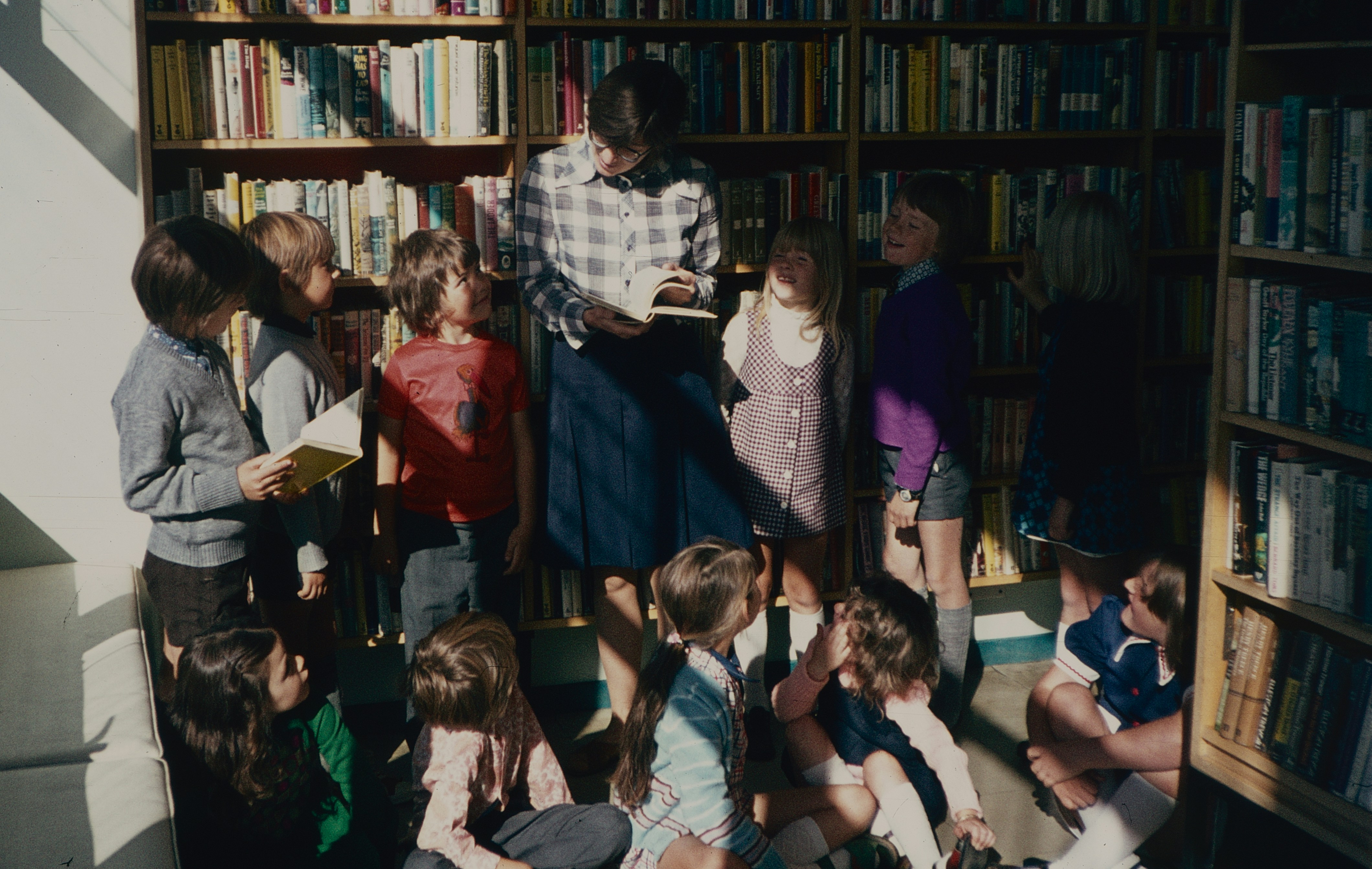
Today the Multnomah County Board of Commissioners voted unanimously to refer a library expansion bond measure to the November 2020 ballot. Along with thirteen other Portland residents, I had the pleasure of participating in a period of public comment before the referral was put to a vote. This is the three-minute statement I spent weeks writing and whittling down.

I wasn’t the only speaker who got a little choked up sharing my story of love for our library system with the very sympathetic board, all of whom seemed ready to vote “aye” even before hearing public comments. The board room was packed with people of all stripes, passionate about supporting and improving the library. One speaker’s family has had five generations use and enjoy the Belmont branch.

Our library system is one of the most-used in the nation, but ranks 102nd in square footage. Officially made a tax-supported public library in 1902, most branches were built in the early 20th century, designed to accommodate an early 20th century population we have since overwhelmingly outpaced. My family has been regularly  turned away from packed event rooms at storytime due to overcrowding, and after one of several such experiences I reached out to the Library Foundation to ask how I might get involved in efforts to fund expansion. They responded with kindness and generosity, and invited me to participate in supporting this bond measure by sharing our story.

What a thrill to participate in this local part of the democratic process. I’ve been hungry for hope and for ways to directly impact decision-making locally, and this morning fed my soul. I can’t wait to vote yes in November.


Chair Kafoury and Commissioners, I am grateful for this chance to speak to you today and ask you to put this bond before voters in November.

I’m a homeowner and the mother of two young children, ages 5 and 2. We live in Lents, one of many neighborhoods in East County experiencing rapid change, not all of it beneficial to the people who live there.

My daughter and I started going to storytime in 2015, when she was 4 months old. Once or twice a week, we walked to the Holgate Library and joined the circle of kids and parents from our neighborhood for stories and songs. Her face lit up whenever we said the word “library.” By preschool, her vocabulary wowed her teachers.

I truly believe we owe her pre-literacy skills to storytime at the library. This free program shaped her because it was easily available to us every week.

Like a good story is more than its plot, and a love of reading is about more than learning letters, storytimes are about more than songs and books. They are about consistency and connection. One of the first names my daughter learned was Juliet, the Holgate children’s librarian who knew her, in turn, by name. These early relationships and exposures matter.

But this magic formula is becoming harder to access at Portland libraries. Since my son was born in 2018, I’ve seen my family and others regularly turned away from storytime due to overcrowding.

One recent morning, after the usual chaos of spilled Cheerios and preschool drop-off, it felt like a minor miracle when my son and I made it to the event room at Holgate— only to find the door closed and a sign saying FULL. As I comforted my son, I was embarrassed to find tears in my own eyes.

But as we walked home that day, I realized I could make this about our small disappointment, or I could see the bigger picture. Over the past few years, I have felt the city changing. Like so many of my neighbors in Lents, I worry for the folks struggling to survive winter in tents and cars. Our city is stretched to capacity, and everywhere we look, we see need.

At the library, though, I see solutions. I see resources made available to people of every age, economic background, race, gender, and ability. I see those resources being heavily, gratefully used.

What if, on that recent day, I had been a first-time library user? A family new to town, curious about storytime? Would I have come back?

I want storytime for EVERYONE. And that’s just one of many library services that Portlanders want and use. The library consistently brings me and my neighbors connection and empowerment. As neighborhoods grow, our library branches need to grow, too.

Give the community a chance to invest in East County libraries like the one my neighbors and I use. Give us a chance to invest in each other.

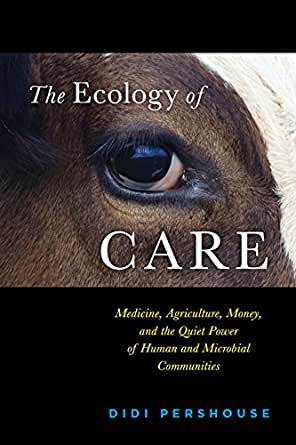
Health and Other Worthwhile Things: On The Ecology of Care by Didi Pershouse

img494

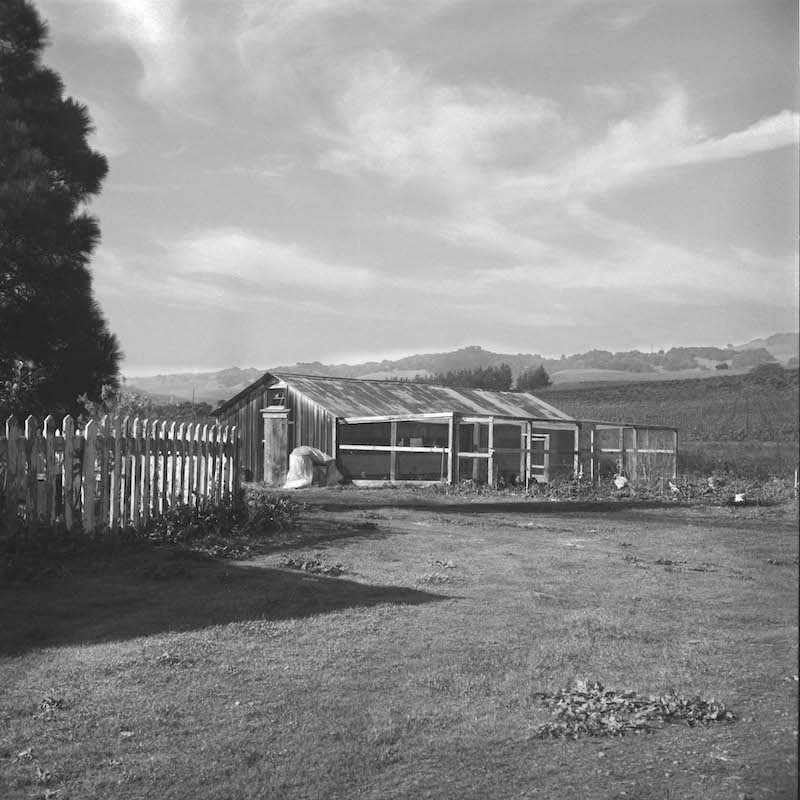
Photo of Green String Farm byLyle Poulin

A few years after finishing my undergraduate degree in creative writing, I apprenticed and worked on small farms, inspired in part by the writing of Wendell Berry. In an interview in one of my favorite magazines at the time, The Sun, Berry had spoken persuasively about the importance of being rooted in community, caring deeply for the land, and cultivating local economies, in an effort to rebuild sustainability for ourselves and our troubled environment. He also gently suggested that the interviewer not get too hung up on the identity of writer, because “there are lots of other worthwhile things you can do.”

This sentence was jarring. It allowed me to admit my frustration in viewing my creative work as my single purpose, and translating that into my sole means of financial support. I felt I wasn’t meant to do just one thing, and yet much of my training and the gist of the popular idea of a “serious” writer pushed me to do just that.

Beyond restlessness and money fears, I also felt hungry for work that would feed me and my neighbors, while addressing some of the dysfunction of modern life that nagged at my consciousness. As I apprenticed at Green String Farm, then worked for non-profit Petaluma Bounty Farm, I got firsthand lessons in growing food using natural process farming.

One of the main tenets of this approach is that to grow truly nutritious food, you need to feed the soil first— and to understand it as a community of microbes, fungi, organic material, and more. Soil health depends on diversity and balance. What a perfect metaphor for my own health! I, too, needed to do a range of “worthwhile things” in order to find balance. In tending the soil, I was tending not just the plants that grew in it, but also my body and spirit. In experiencing the satisfaction of nourishing myself and others, I got a taste of the fulfillment I was looking for.

EoC

Book cover image courtesy of Didi Pershouse

This deeper understanding of the foundations of health is at the heart of a surprising new book: The Ecology of Care: Medicine, Agriculture, Money, and the Quiet Power of Human and Microbial Communities, by Didi Pershouse (Mycelium Books, 2016). Part memoir and part fact-driven analysis of modern farming and medicine, The Ecology of Care describes Pershouse’s gradual shift from her work in private acupuncture, to community acupuncture and advocacy for soil restoration. It’s a beautifully-written, hope-filled prescription for an embrace of community at every level— perhaps our best shot of surviving our climate crisis.

Pershouse draws connections between the soil degradation wrought by the industrial food system, and the harm done to our bodies by industrial medicine. Since “we are what we eat,” there’s a lot of overlap. Over the past century, we’ve shifted from small, diverse farms to profit-driven mono-cropping, and our guts reflect that change. Stripping the topsoil of micronutrients and microbes, and lacing food crops with pesticides and herbicides, we’ve experienced a corresponding loss of microbial diversity in our bodies, and an increase in disease processes related to the ingestion of chemicals. Likewise, as our systems of care shifted from village doctors, midwives, and herbalists to for-profit hospitals and privatized insurance, the cost of care has skyrocketed while quality has plummeted.

But there’s hope.

A re-invigoration of community-based healthcare can decrease costs and increase quality of care, while reducing the vast carbon footprint of an over-reliance on hospitals for basic care. An embrace of farming practices dedicated to creating a “soil carbon sponge” can help harness the excess carbon driving climate change, while restoring soil health.

img483

Photo by Lyle Poulin

A born scientist and gifted artist, Pershouse is both methodical in her research and emotionally persuasive in her writing. She brings humor and nuance to her discussion of the complicated history described above. In an era of alarmism, Pershouse’s work is refreshing in its commitment to both honesty and optimism. She moderates her appraisal of each system’s failures by offering tangible alternative frameworks, and allowing for emotional responsiveness. These challenges are significant, and Pershouse’s work is sustained by listening partnerships with friends involved in many different aspects of healing. In adopting such a practice for ourselves, healers of all kinds can avoid burnout. We can listen to one another when each of us inevitably reaches a moment of despair, acknowledging that pain before identifying what is working and what to focus on next.

For me, Pershouse’s work picks up where Berry leaves off. As I enter another surprising twist in my career path, The Ecology of Care helps me see how my seemingly-disparate interests—writing, agriculture, and community health— are in fact needfully interconnected.

“Hope is a discipline,” Pershouse writes toward the end of her book. This worthwhile work of restoring our health must be undertaken together, and everyone is invited.

Future Punk: Why I’m Training as a Community Acupuncturist

Norman_Nancy_Welcome_to_Aculand

Image: Welcome to Aculand, courtesy of Nancy Norman.

Sunlight pours onto the funky orange couch in the classroom, and dapples the circle of mismatched recliners around it. A couple of worn, wheeled stools cluster in the center. There are piles of neatly folded fleece blankets in one corner, a bank of folding chairs and tables and a whiteboard against the other wall. Floor to ceiling bookshelves buffer one long wall, alphabetized in sections from Acupuncture and Auricular to Physiology, Pediatrics, and Spirituality. The walls are filled with acupuncture point charts and the kind of hand-written reminders you often see in shared spaces, where the plumbing and lighting are finicky, the fridge has to be cleaned out regularly, and everyone has a job to do before going home.

pocatechlogo

This is the POCA Tech classroom where I’ve been learning the art of community acupuncture for the past four months. This month we’re on break, but I’ve come here to spread out my notes and charts and books— to gain some distance from the sweet chaos of a home with two kids under four, and also to be close to the energy created in this classroom with a warm cohort of students, all of us excited to become community acupuncturists. Punks, we say, with affection and pride, because the culture and position of the community acupuncture model, as it has emerged from the framework of liberation acupuncture (combining social action with healthcare) and within the broader field of acupuncture in the Unites States, is radical in its insistence on accessibility and affordability.

What is Community Acupuncture?

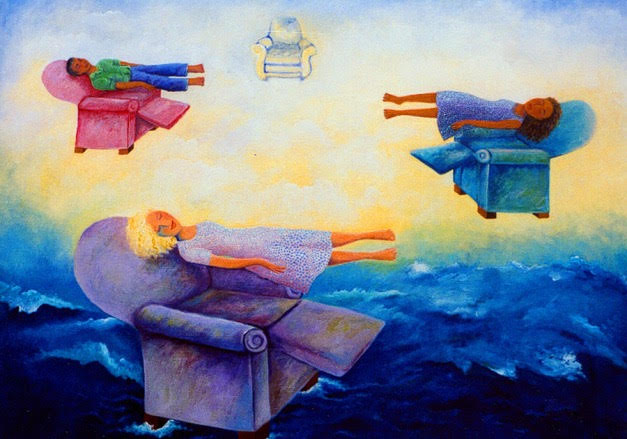
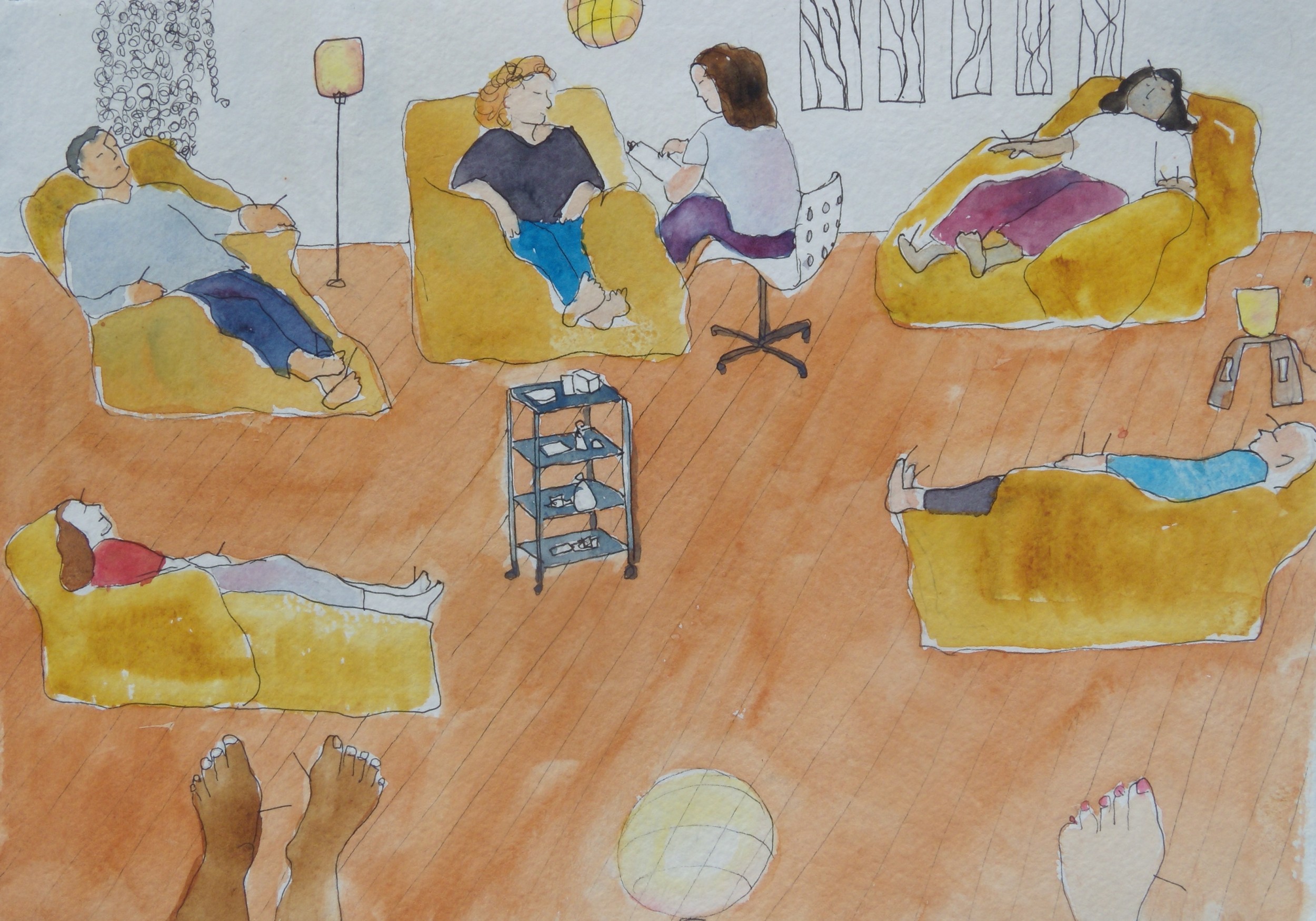
POCA stands for the People’s Organization for Community Acupuncture, and so POCA Tech is a school specifically for people who want to practice acupuncture in a community setting. That means people receive treatments in a group setting, often sitting or reclining in La-Z-Boy armchairs arranged in a circle, in a dimly-lit room with soft music playing. The punks use distal points— acupuncture points easily-accessible on the lower arms, legs, hands, feet, and head— to treat a wide range of symptoms and challenges. Intakes last 10-20 minutes, wherein the patient describes the health goals they want to work on, and the punk devises a treatment plan and gently “pins” the patient. The patient is then covered with a soft blanket and allowed to nap for as little or as long as they like— typically about an hour, sometimes more, sometimes less.

poca

Why community-style?

Because the needling itself can be done quickly and discreetly using distal points, a punk can see five fully-clothed patients in 60 minutes. By contrast, an acupuncture treatment in a private room limits the punk to treating one patient per hour, depending on available space. While the treatment itself may only take 15 minutes, the acupuncturist must charge $120, the current minimum rate, on average, for private acupuncture. Divide that treatment room and treatment hour into 5 or 6, and patients are able to share the cost, making treatments $20-$25 per person. At that rate, acupuncture becomes more affordable for more people, meaning people with, for example, chronic pain are able to come more frequently. Because acupuncture works best through consistent, regular treatment, patients have a better chance of finding relief and experiencing ease in their lives. This shared success, with the punk facilitating and the patient’s body doing the healing, also leads to a more satisfying work experience for punks. They get to do more of what they love and treat more people— and in turn their treatments have a better chance of being successful.

But community style acupuncture is more than simply cheaper acupuncture. Healing is a complex thing, and there’s a great deal to it that has to do with relationships. Anyone who has had a bad (or good!) experience with a medical professional’s bedside manner can attest to this, and science backs it up. In healing, it’s not just what you do, but how you do it. There is something about receiving acupuncture in a calm room of sleeping people that heightens its impact. Call it whatever you like– collective healing energy is powerful.

Community acupuncture is also a more trauma-informed approach. It lowers not just barriers of cost, but barriers of safety for people who have experienced trauma. Many traumatic experiences are connected to healthcare environments, and community clinics can avoid triggering those trauma histories by looking, feeling, and operating in markedly different ways. Touch can also be extremely challenging and triggering. Offering acupuncture in a shared space, where people are fully clothed and can choose how much of their bodies to reveal (rolling sleeves to elbows and pants to the knee, or just offering hands, feet, head, and ears), can help to reduce triggers related to touch. When the patient is seated in a recliner and the punk is seated on a rolling stool, listening, there’s a powerful sense of equality, of teamwork. The punk and the patient play equal roles in the healing relationship, and this is communicated by their physical positions in space.

This is a model based on many forms of community treatment traditionally practiced throughout Asia and elsewhere. So while in the United States it may be considered “radical,” elsewhere in the world it’s closer to the norm than the exception. For much of acupuncture’s complex, diverse history, people received acupuncture treatments in shared spaces as a regular part of preventive care in mutually-dependent, tight-knit communities. It is a recent shift in the U.S., a shift rooted in this country’s history of white supremacy and systemic oppression, for acupuncture to have become privatized, professionalized, and commodified into a medicine inaccessible to all but the upper class.

Take some time to read about this process. Read about Miriam Lee. Read about Lincoln Detox.

This is not a new story, unfortunately, this pattern of stealing models and resources from communities and movements, of criminalizing mutual aid and privatizing the commons. The U.S. economy is based on exploiting resources, extracting profit, and unrestricted growth, and the ongoing history of those practices impacts the health and well-being of its people. As the healthcare system continues to fail people in the U.S., more and more community clinics are opening across the country, and more and more people are finding relief, empowerment, and hope within their walls.

Poke CA

Image courtesy of Poke Community Acupuncture. Original artwork by Ann Carroll at vancouverartguild.com.

Why now?

Why is community acupuncture important now? Because we can only be as healthy as the environment and systems in which we live, and for those of us in the US, both are deeply unhealthy. On day one of my schooling at POCA Tech, we discussed the very real ways in which our individual and collective health is a reflection of our country’s foundations in a history of violence and trauma. Systemic racism, sexism, gender repression and discrimination, a denial of the existence of an oppressive class system, and practices that favor profits over environmental and human health, all take a toll on our bodies. 2/3 of Americans have experienced at least one adverse childhood event, with the majority of those having experienced more than one. The higher our ACE score, the greater the likelihood of poor health and a shortened lifespan. (1) And finally, we are facing a climate crisis unlike anything we’ve experienced before, with corresponding levels of the anxiety that is a normal response to something so deeply troubling.

We’re up against a lot, and we need health, connection, and resilience in order to effectively face these challenges and develop solutions together. We can’t wait for the adoption of universal healthcare in the U.S .to claim the health we deserve. Community acupuncture offers a creative, effective, trauma-informed approach to co-creating health and resiliency for ourselves and our communities— outside of the medical-industrial complex and insurance system that continue to fail us.

I’m joining POCA’s vision for “a world where community acupuncture clinics are as common and accessible as a family restaurant, starting with the U.S.,” as a sign reads on the door to the staff room at the clinic where I’m observing. In studying to become a punk, I hope to work in or open a clinic in a neighborhood that needs it, and be part of a solution to the many challenges we face.

On a more personal level, since my first treatment back in 2014, community acupuncture has been life-giving and life-changing for me as a patient. It has offered me healing, hope, and empowerment through a wide range of life challenges, from miscarriage and grief through pregnancy, motherhood, traumatic injury, and chronic pain. Community acupuncture clinics have offered me a refuge from the daily onslaught of the micro stresses I experience as a city-dweller, including a false sense of separation or separateness. Napping next to my neighbors in a calm, quiet room has filled me with a sense of connection and ease that can be hard to find elsewhere. There is something truly healing about simply resting with others in peace.

ModernicaProps_S02930_29x90x33_159-LR

But back to the orange couch.

For now, the road to becoming a punk looks like a lot of memorization of acupuncture point locations. From my perch on the worn couch cushions, I fill in KD 3, Kidney 3, next to the dot behind the ankle bone on the inside of the foot. It’s a Shu Stream transport point, an earth point on a water channel. I check my blank sheet against my textbook, then reread the anatomical description I’ll need to know when I sit for the boards in three years, and then I touch my foot and try to locate it on my body. Repeat for KD 4 and KD 5– three points I keep mixing up and am determined to get straight this month.

Sometimes I get discouraged and overwhelmed. It makes sense: acupuncture is thousands of years old, and it seems like there are at least as many ways to interpret known points and design treatments using them. This medicine is complex, ancient, beautiful, contradictory, mysterious, confusing, powerful. There’s going to be a lot I don’t “get,” and I’m learning to befriend that feeling.

At the same time, this approach to healing makes a lot of sense to me as a poet, with a lifelong fascination with pattern-making and metaphor. Like yin and yang, where each is contained within the other and our life force arises out of their interdependence, learning this medicine (for me) is a constant dance of frustration and passion.

I’m hopeful, and so excited, that this will continue to be a path of meaning and growth for me, and the people I get to work with in the future. I expect that I will continue to write about themes I’ve just barely touched on here. Please forgive the broad strokes in this first post! There’s so much to learn and to say about it all, and I need to start somewhere.

Want to experience community acupuncture for yourself?
Find a clinic near you!

Further reading and watching:
Acupuncture Points are Holes, Lisa Rohleder
The Ecology of Care, Didi Pershouse
“Community Acupuncture: The Calmest Revolution Ever Staged,” 30-min documentary
What is POCA Tech?
ACEs Too High
Trauma-Informed Oregon
“How the Young Lords Took Lincoln Hospital, Left a Health Activism Legacy”

Note:

  1. A high ACE score isn’t necessarily an irreversible life sentence to increased rates of suicidality, alcoholism, and shortened life span. There are many studies demonstrating that interventions such as counseling, EMDR, mindfulness training, and others can reverse the negative impact of adverse childhood experiences. Check these out for a start:
    https://www.ncbi.nlm.nih.gov/pmc/articles/PMC5368427/
    https://acestoohigh.com/2014/09/15/mindfulness-protects-adults-from-physical-mental-health-consequences-of-childhood-abuse-neglect/
    https://ccooregon.org/wp-content/uploads/2018/04/ACES_What-Are-We-Doing-About-It_1.30.18_final-pres.pdf

First Book, First Reading

49900215_10158137177659922_4820337148869738496_n

Oh, hi. It’s me again. Surfacing after months of quiet here on the blog to say, I made a book, and now it’s a real and beautiful object in the world, and I’m thrilled.

Rupture, Light is a chapbook just published by Finishing Line Press. It’s a collection touching on themes of loss, faith, and identity, often through the lens of my experience as a mother. These are poems I wrote and revised beginning in 2011, and so they reflect life experiences from graduate school all the way up through the births of my two children. For about four years, I revised and submitted the manuscript again and again as time allowed, against the backdrop of bearing and raising my kids, healing from injury and chronic illness, returning to work and redefining my purpose and identity in the wake of the upheaval of motherhood.

When I was pregnant with Robin, I felt a powerful wave of energy coaxing me to just get this book out there, one way or another, before he was born. I knew that becoming a family with two kids would be a major transition, and I wanted to sort of clear the decks– creatively and logistically. On a practical level, having already come through the babyhood of one child, I knew the level of focus and energy needed to pursue publication wouldn’t be available to me for at least a year after Robin was born. And on a creative level, which was the more powerful motivating force, I felt that I would not be able to write new poems until these poems had arrived safely in the world, honored and amplified in the way only a “real” book can.

Following Sky’s birth in 2015, I had abruptly stopped writing poems, and had begun instinctively to write long-form essays, something I’d never done with much confidence or inspiration prior to that. I’m still puzzling over the shift, which has remained. Firstly, at least for me, it that even though they are technically “shorter,” crafting poems requires a greater level of attention, presence, and quite frankly time than does crafting prose– and needless to say those things can be in short supply when you have young children. The same goes for reading poetry. Sure, you can whip through a collection of poems in a couple of hours, but it takes months, sometimes years, to really absorb a collection’s message and integrate it into what you currently think you know about the world. For me, the same is not usually true for reading and writing narrative nonfiction, and so I think I’ve naturally gravitated to a form that allows a little more flexibility during this busy season of motherhood.

All that to say, I needed to get these poems out into the world so that I could stay “current” with where the creative spirit seems to be leading me. Perhaps now that this book has arrived, and is offering me opportunities to read my poems aloud and be among Portland’s poetry community, poems will begin to come to me again.

I have dreamed of writing and publishing since I was about ten years old. This little book is a chapbook, not a full-length collection, which can be seen as a first step into publishing for an “emerging” writer, and can also be a beautiful way for an “established” writer to showcase a small group of thematic poems, or poems that don’t seem to “fit” anywhere else. This is all publishing-world stuff, and so at certain points in the process I’ve wrestled with feelings of being somehow less than a “real” writer, with this first book not being a real book. It’s a good wrestling that mirrors a theme in my personal growth these last few years, as I’ve learned to let go of old ways of thinking in order to become more fully alive.

I want to share how this experience of fruition has and hasn’t lined up with how I thought I’d feel, and what I thought was significant about publication.

Finishing Line Press accepted my manuscript Rupture, Light in April of last year, right around Easter. A few weeks later, I had a major flare-up from a previous car accident that sent me spiraling into the worst pain of my life– constant, chronic neck and arm pain that didn’t relent until around mid-July and didn’t fully clear until late August. As I went to multiple appointments, managed medications, and struggled to keep up with my children, I was simultaneously putting together materials for producing the book, including trying to finalize cover art. I couldn’t read, write, or spend more than ten minutes at the computer without excruciating pain, so this was challenging and confusing. It was strange to be pulling the book toward reality at the same time that my body was pulling me toward a future I didn’t yet recognize– one I wasn’t sure would even include writing, which was terrifying. I lost my grant-writing clients and began to seriously consider other career options, as desk work was suddenly cast in a different light by the diagnosis of a bulging cervical disc and severe foramenal stenosis.

Minute by minute, day by day, I inched closer to healing and the book moved closer to completion and my old narratives about who I am continued to disintegrate. It was a surreal, disorienting time.

Fast-forward to last week, January 17th, when a nondescript cardboard box arrived on my front porch. I had told my 3-year-old daughter that my books would be arriving soon. My daughter is just getting old enough to understand that I am a writer, and she is as curious and passionate as I am about books and learning. So she was as excited about the books’ arrival as she might have been about Christmas.

That day, I had just learned about the death of Mary Oliver when Sky raced into my room yelling, “Mama!!! Your books are here!!” Together we sat on the living room floor and opened the box, and there was my real book, my first book of poems, right there in my hands, and meanwhile Mary Oliver was dead. The poet of my childhood and adolescence– the poet who had inspired me at a young age to pursue poetry as a vocation– had slipped from the world. It was again a strange and surreal mix of emotion.

50323432_10214079029509647_2679019003732557824_n

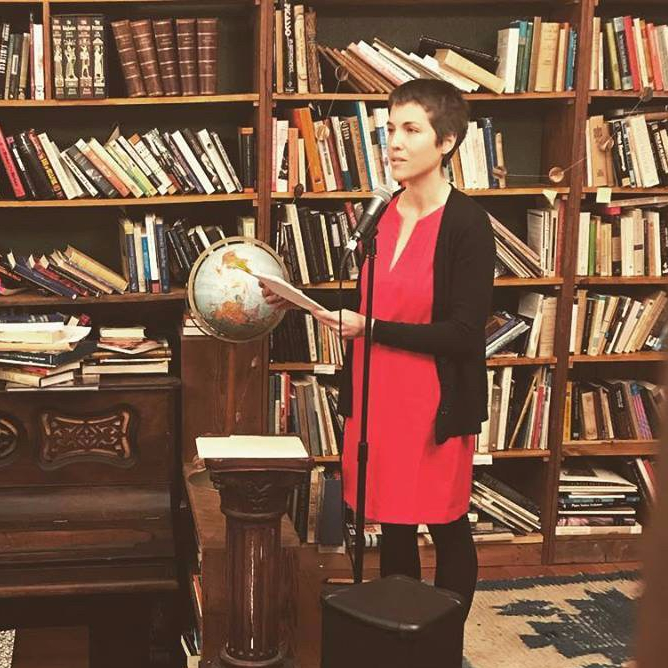
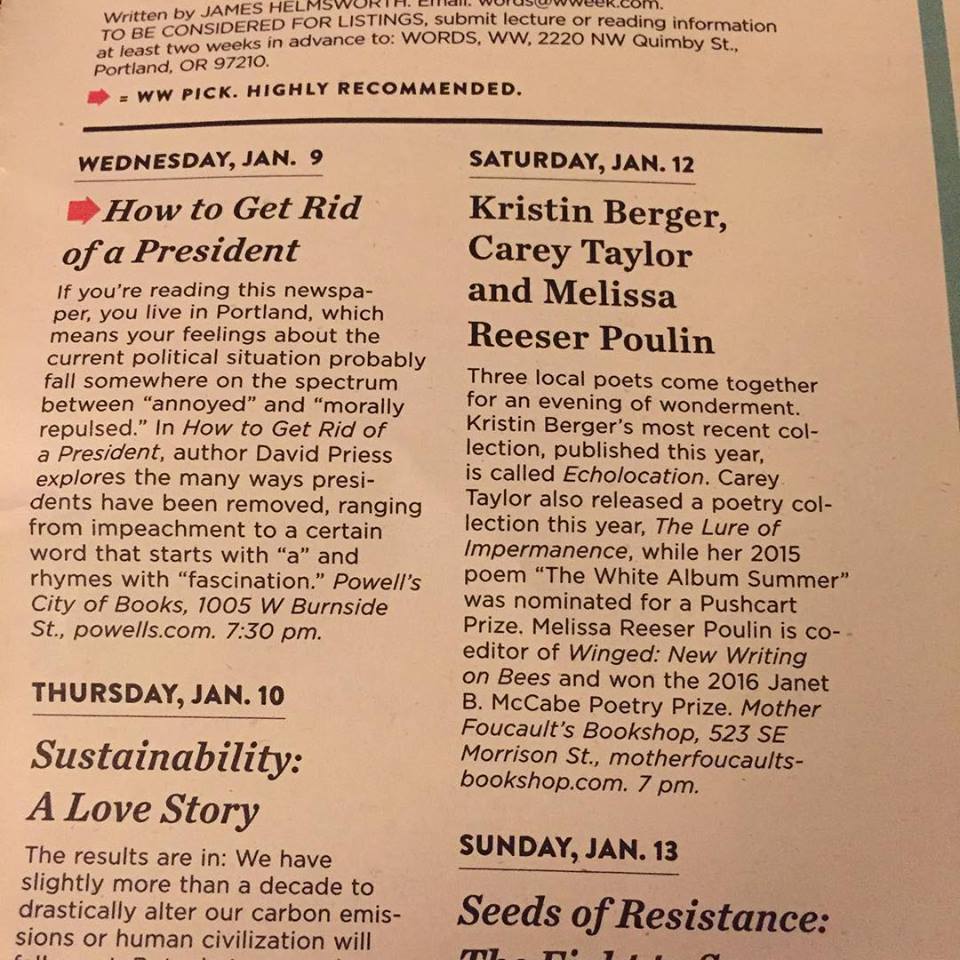
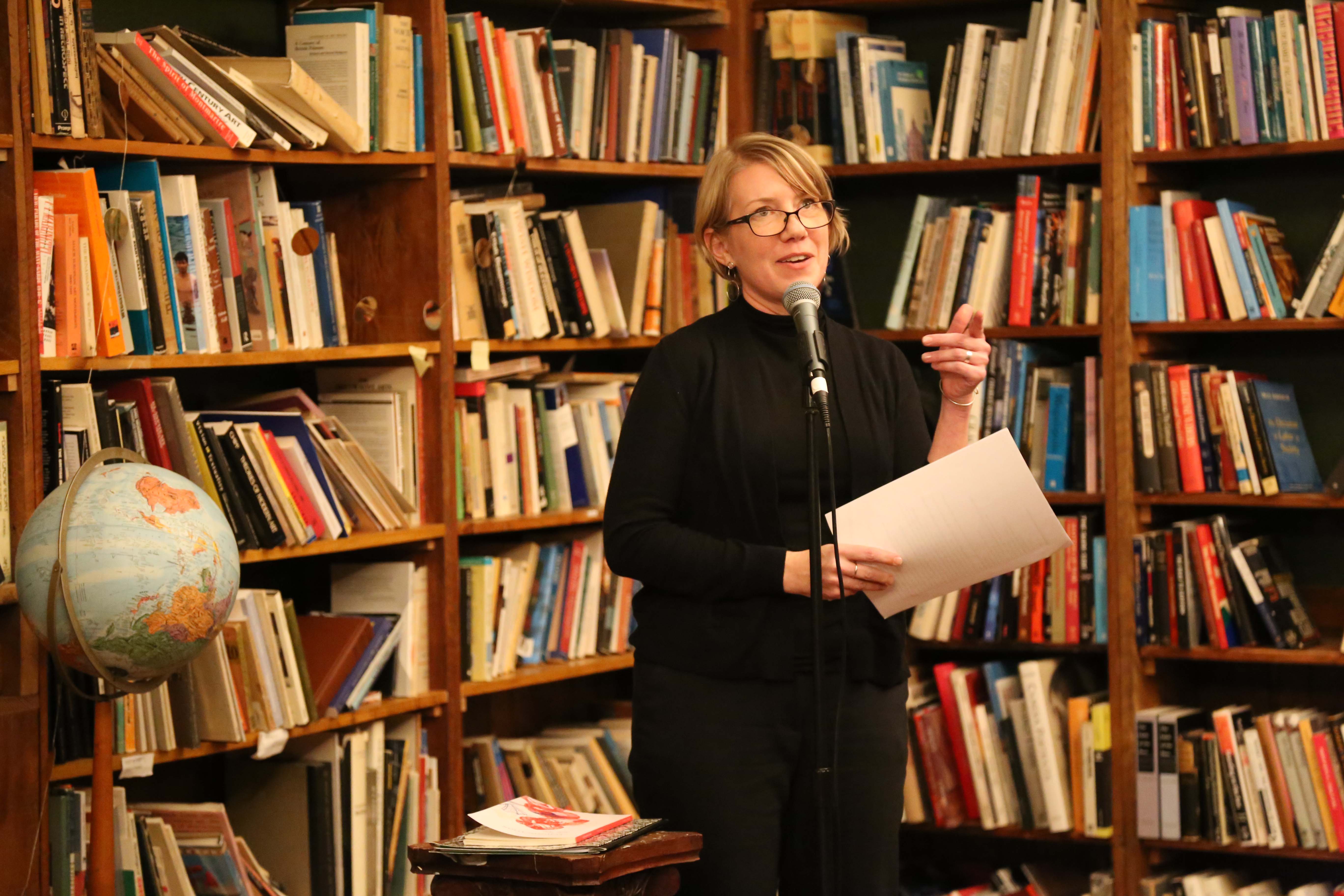
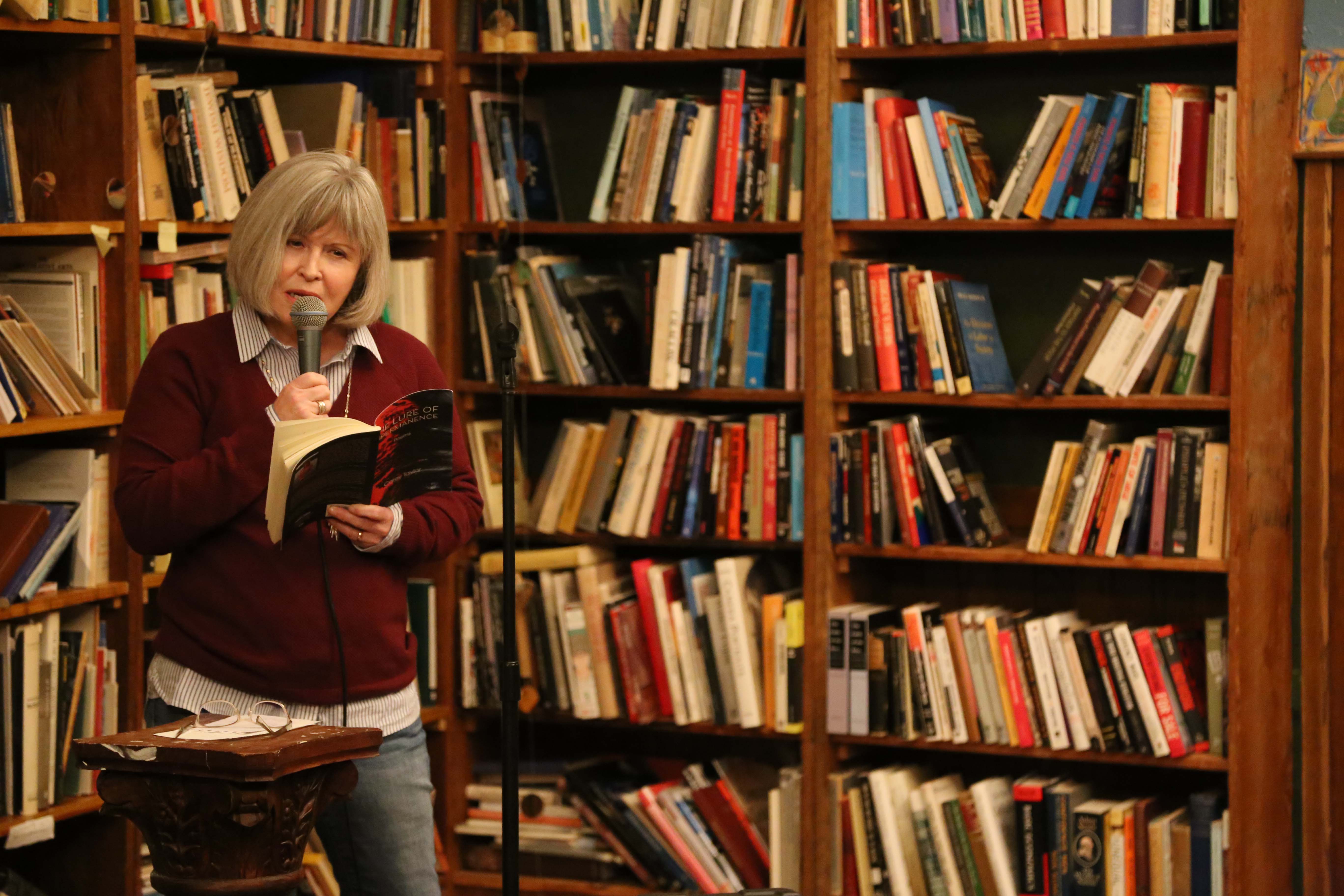
Last Saturday, January 12, I had the great pleasure of reading from Rupture, Light, at Mother Foucault’s Bookshop here in Portland, alongside two talented and funny and warm women and poets: Kristin Berger (Echolocation, Cirque Press) and Carey Taylor (The Lure of Impermanence, Cirque Press.) I had read with Carey in the summer as part of the poetry series Kristin organizes at our local farmer’s market. It was fun to read with both of them on the opposite side of the year, to go from wide blue summer skies to the insular world of a bookshop on a dark winter’s night.

img_8449

Kristin’s work is stunning– it’s direct, urgent, unapologetic while also speaking the language of the body, weaving in strands of the everydayness of human experience, with the necessary dry humor that requires nowadays. Echolocation floored me. It’s one of the best collections I’ve read in a while. Granted, I’ve definitely not been reading nearly as much poetry lately as I used to, but I think that further emphasizes the success of this book: it was human enough to overcome my strange resistance to reading poetry (“I’m so tired. Can I focus enough to read poems right now?”) and passionate enough to sustain my interest from page one. It was a pleasure to hear Kristin read from her book.

img_8427

The Lure of Impermanence, Carey Taylor’s first book, is on my bedside table right now. I’m enjoying its irreverence and momentum. Carey does some really amazing things with imagery in her work, especially color, and I loved listening to her read. She’s a former teacher, and so she has an easy yet authoritative presence, a way of inviting listeners right into her poems that makes you feel like you’re there with the poem’s speaker. She is just as warm and welcoming in person, and meeting her has been one of the great gifts of this new experience of publication for me.

I really loved getting to share my own poems with the people who showed up that night. The room was packed, and there was an energy of deep listening that really touched me. I met a fellow poet named Phil, who wore a broad-brimmed hat and sat listening in the front row with his eyes closed and a gentle smile on his face. My parents and my sister were in town for my son’s birthday, also the 12th, and my husband and four of my close writer friends were there. I’m not sure you could ask for a more affirming space to read. I felt relaxed and happy and like I could speak from my heart as I talked about the origins of each poem.

I’m deeply grateful for the chance to do this in my lifetime– to make poems, to make books, and to read with and for others. I hope I get to write many more poems (and essays and maybe even fiction) and bring many more books into the world.

Writing in the Margins Again

Hello out there. My baby boy is three months old, the fourth trimester has come to an end, and I’ve been slowly returning to my writing practice. In a few weeks, I’ll finish maternity leave and return to preparing grant proposals.

With my first child, I didn’t feel the need or have the energy to write creatively until my daughter was over a year old. At that point, I gathered a few friends and formed a monthly writing group, to help one another achieve our writing dreams by taking small steps— writing, revising, and providing feedback, one essay at a time.

This time around is different. I began writing creatively much earlier postpartum, and I’m not exactly sure why. Maybe it’s because the tasks of mothering a baby feel more familiar now. Maybe it’s because my identity isn’t going through as much of an earthquake, now that I’m already a mother. Maybe it’s because I’m better able to recognize the restlessness building up in me when I don’t make the time to write.

In any case, I’m writing in short bursts here and there— during nap times, after the kids are asleep, and on weekends when Lyle takes both kids to the park, the baby napping in his stroller or carrier. I’m revising essays I wrote while pregnant, gathering notes for new essays, working on blog posts, and even making time for some fun freewrites.

Here’s something I wrote as part of Coffee + Crumbs’ Instagram freewrite challenge. It’s a micro essay in response to the prompt “grow your hope,” about finding the strength to grow during the season of small children, with their own impressive will to grow. Like tiny seeds, children seem so small and powerless, yet within is a blueprint for the massive potential that lies in each of us, unfurling with breathtaking speed and power.

I wrote this one while nursing Robin, letting him fall asleep in my arms as I typed one-handed at the computer. My own will to grow is pretty fierce, I guess, and writing is part of that.

Here’s to more growth and more writing this spring and beyond.

When You See the Heartbeat at Coffee + Crumbs 

1496066704917

In early June, my essay about waiting to miscarry appeared on Coffee + Crumbs.

“When You See The Heartbeat” is a short essay describing the two weeks between an unpromising first ultrasound just before Christmas, when the heartbeat was detectable but weak, and a second scan after the new year. Writing this essay helped me process the swirl of hope and fear I felt as I waited.

In January, we lost our hoped-for baby at 9.5 weeks, in the middle of one of the coldest, wettest, iciest winters in a city wholly unprepared for snow. It was a long and difficult winter. Spring’s arrival never filled me with as much hope and relief as this year.

On June 2nd, when this essay went up on the site, I had my first ultrasound for the baby I’m now carrying. This time, baby measured right on track with a strong heartbeat. I sobbed through that ultrasound, thinking of the baby we lost and this new little one we are so hopeful for. We are praising God that we’re at 14 weeks now, and praying this baby will be born healthy and full of life in early January of 2018.

I share this essay for anyone who is waiting, anyone who is grieving the loss of even the tiniest life. I share it in hope and with an outstretched hand if you are feeling alone in the middle of your own dark winter– even in high summer.

Photo via Coffee + Crumbs.

On Creativity, Marriage, and Parenting on Coffee + Crumbs


C+Cphoto

I’m delighted to share my essay “Through,” published this month on Coffee + Crumbs. This essay is about how becoming a parent transformed my relationships– to my husband and to my creative work.

Coffee + Crumbs has been a lifeline in these early years of parenting. I’ve looked forward to each new essay appearing on this collaborative blog about motherhood, because I can always count on the words published there to be affirming, encouraging, and real. I appreciate how this collective group of writers and editors does not shy away from the hard parts of becoming a mother– and how the readers respond with kindness and support.

And as I’ve folded laundry, washed dishes, prepped dinner, or collapsed on the couch after my little one’s bedtime, I’ve LOVED listening to the C + C podcast, with its humor and helpful advice on everything from adoption and being a working mom to making time for spiritual practice and finding the perfect postpartum bra. (PS, there’s also an awesome monthly newsletter you should subscribe to right now. It’s probably the only newsletter I subscribe to that I read, reread, and save. Click here and look for the subscribe button on the right.)

One of my favorite things about growing as a writer has been finding publications that really fit my voice– and becoming part of the community of readers. It seems so obvious: you should publish where you read. And yet actually doing that has made such a difference in my life. It has connected me to other readers who resonate with my writing, and to writers whose work I love, too.

Read my essay “Through” on Coffee + Crumbs, leave a comment, and join this amazing community of mothers, readers, and writers.

Photo via Coffee + Crumbs

Community Gardens at In Good Tilth


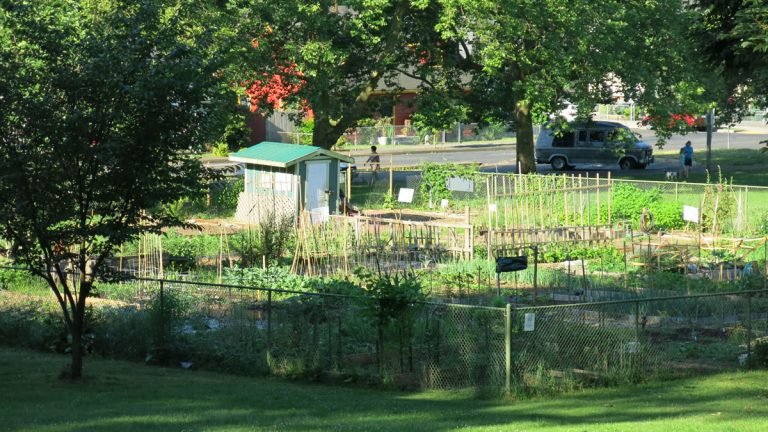
IGT_Fall16_CommunityGardens2-768x432.jpgThis is an article about how community gardens preserve valuable intercultural knowledge about growing, cooking, and eating food– something called “kitchen literacy.”

I had the privilege of researching and writing this article for In Good Tilth in the late summer of 2016, as part of their fall kitchen literacy issue.

As a volunteer community garden manager, I had a unique perspective on the incredible people you meet when you join your community garden. I interviewed gardeners Larisa and Vasil for this article, two kind and generous neighbors who grew one of the most impressive, beautiful gardens I’ve ever seen.

I’m sharing this article today as I attempt to catch up following several months away from my desk. It’s a chilly gray February afternoon, and remembering the colorful rows of tomatoes, carrots, and chervil in Larisa’s garden makes me feel hopeful for spring’s arrival. It’s got to be coming soon, right?

Read my article on how community gardens renew our foodways and invigorate civic discourse.

Image via In Good Tilth. Author’s own.


My Poem “An Incomplete Alphabet” at Ekphrastic Review

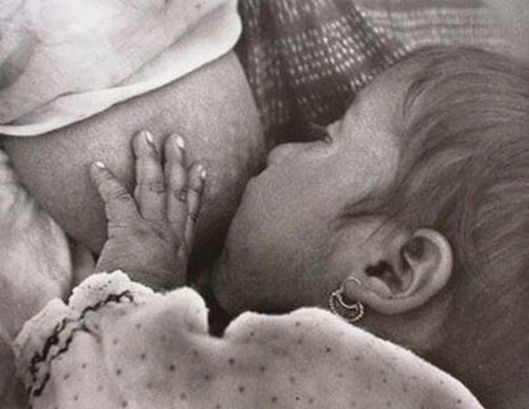
3909-babynursingmodotti-1219117192_2_origHere’s a poem I wrote in response to Tina Modotti’s “Baby Nursing, Mexico City,” a 1926 photograph posted as part of Ekphrastic Review‘s 20 day poetry challenge in September.

An ekphrastic poem (from the Greek ekphrasis: ek “out” and phrasis “speak”) is a poem inspired by a work of art.

It was definitely a challenge, stretching my writing muscles to respond in verse to a different work of visual art each weekday. I am grateful to editor Lorette Luzajic for hosting this annual challenge, for publishing my poem, and for so joyfully bringing together the worlds of visual and literary art in a way that feels accessible and welcoming to both reader and writer. It’s really a stunning journal! You should check it out.

This image in particular spoke to me because I began weaning my toddler in early August.

The morning Modotti’s photograph was posted, I was feeling a little sadness about this transition in our lives as mother and daughter. Simultaneously, the photo filled me with gratitude for the 16 months of nursing we’ve had, and grief for the gradual shift toward independence that weaning marks and initiates.

Read my poem “An Incomplete Alphabet” at Ekphrastic Review.

Photo via Ekphrastic Review, under public domain.